Building the science today for the next pandemic
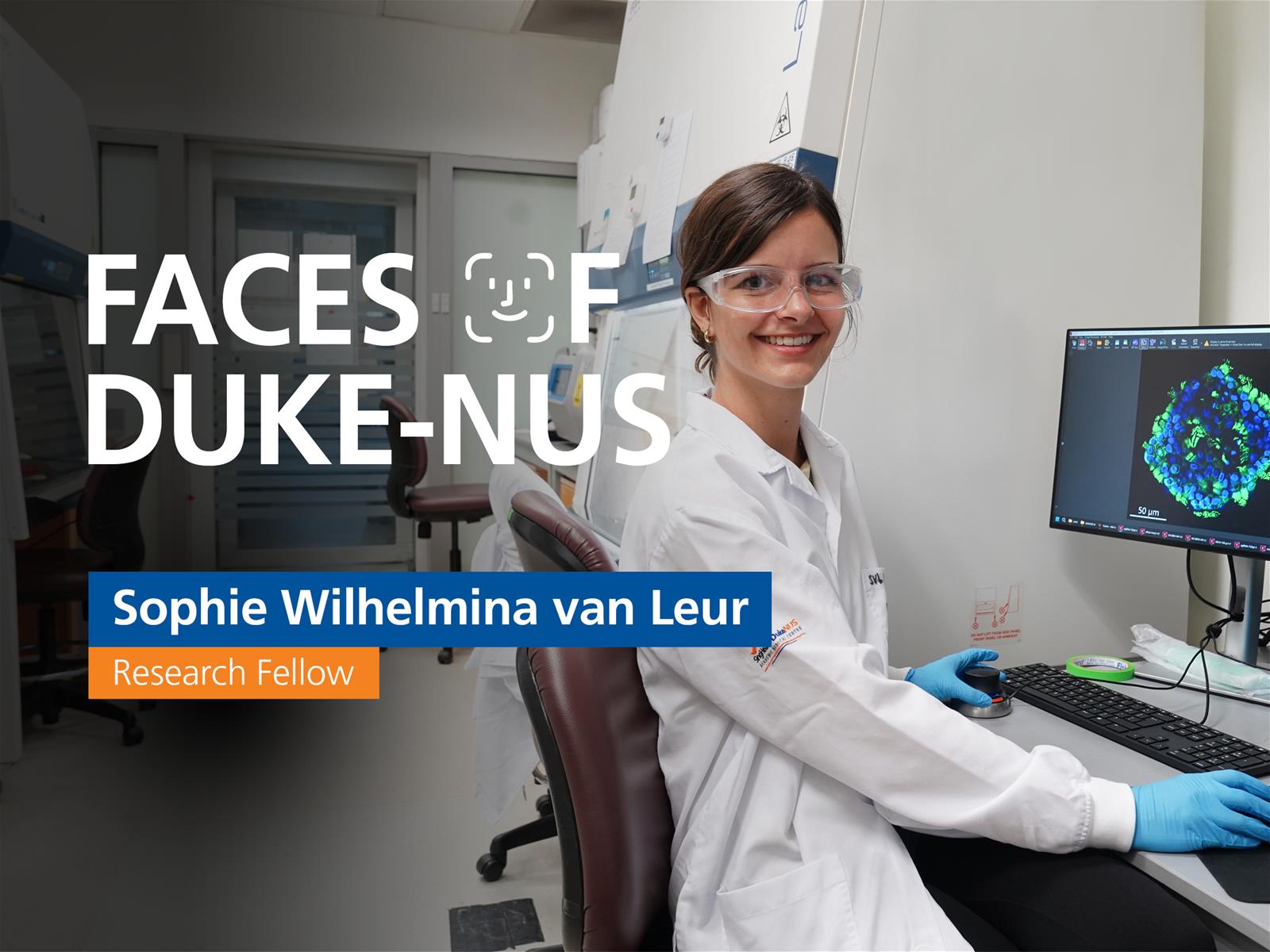
For Sophie Wilhelmina van Leur, adventure is less about daring leaps and more about steady curiosity. Whether she is pushing her limits on the tennis court, hiking through Singapore’s nature parks, or differentiating animal organoids in the lab, she gravitates towards challenges that demand resilience, precision and focus.
As a Research Fellow in the Duke-NUS' Emerging Infectious Diseases Programme (EID), Sophie works closely with her team on a wide range of experimental work contributing to the science that strengthens outbreak preparedness in a post COVID world.
In this edition of Faces of Duke-NUS, Sophie takes us behind the microscope to share what it really takes to build scientific foundations that future pandemics will rely on.
What does a typical day look like for you as a Research Fellow in the Emerging Infectious Diseases Signature Research Programme?
There’s no real “typical day” as a Research Fellow in Assistant Professor Mart Lamers’ coronavirus team. We work predominantly with organoids — lab-grown “mini organs” —derived from stem cells that mimic features of native tissues. Since some organoid models can take up to six weeks of differentiation, we often run multiple experiments at the same time.
On any given day, I might be disabling genes in nasal organoids in the morning, infecting pig intestinal organoids in the afternoon, or isolating stem cells from animal or human tissues. What I enjoy most about this role is being involved across many projects, supervising students, supporting colleagues and brainstorming new research directions.
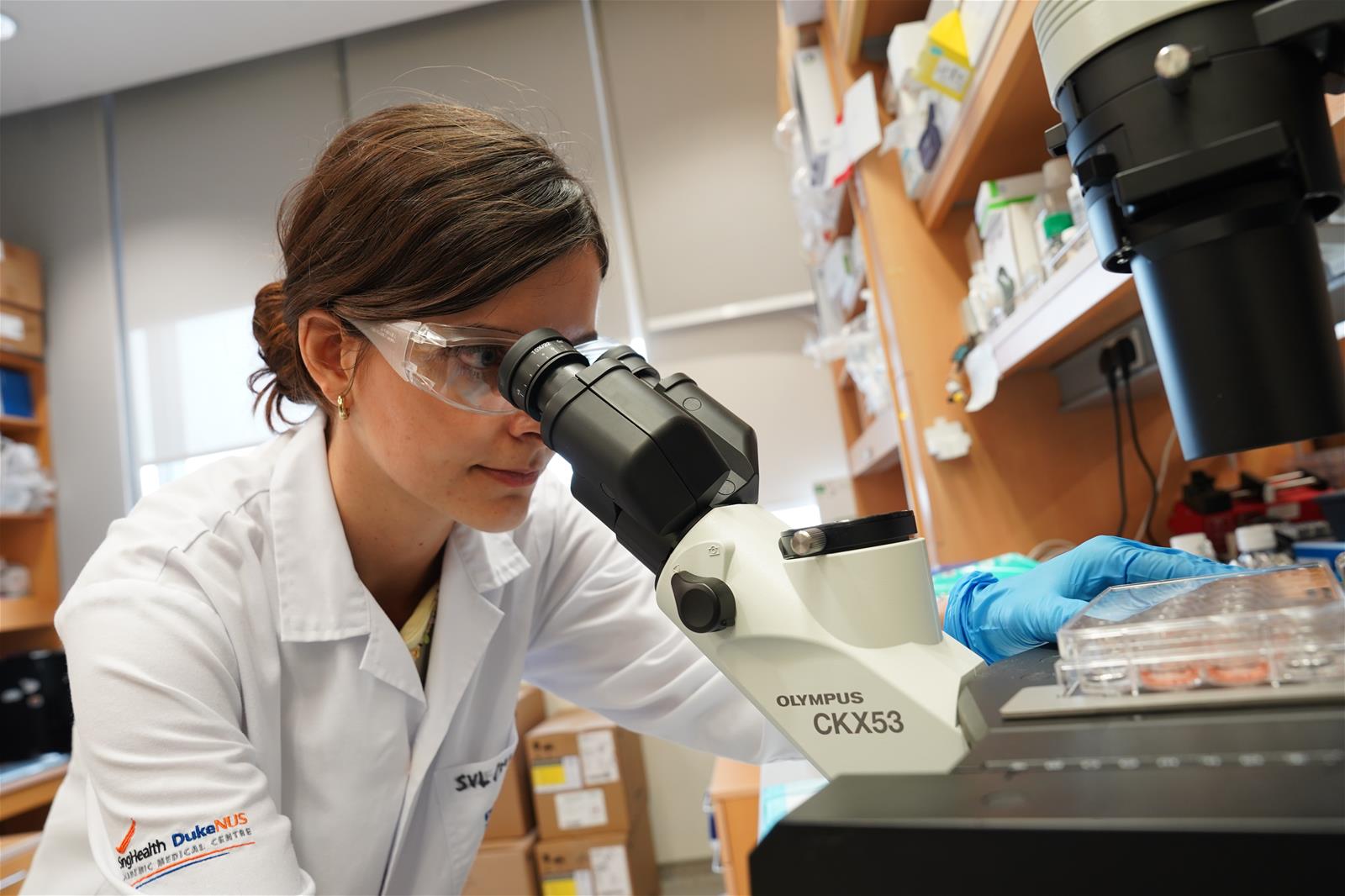
Sophie using a light microscope to check the differentiation status of nasal organoids
What motivated you to pursue your research on infectious diseases? And what led you to join the team here?
My interest in infectious diseases began when I was hospitalised with dengue fever at 17. Experiencing firsthand how viruses can upend daily life sparked my determination to understand virus–host interactions at a deeper level.
During my PhD at Oxford University, I focused on these interactions for positive-sense RNA (ribonucleic acid) viruses and realised that I wanted to continue working in this field. However, for my postdoctoral work, I was eager to expand my skill set to more physiologically relevant systems like organoids, which I see as the future of virus research. The combination of the coronavirus team’s progress in organoid development and the EID department’s collaborative environment made Duke-NUS the perfect place to join.
What’s something exciting that you are working on now?
I’m currently using CRISPR-editing to modify genes in human airway organoids so as to understand which host factors are important in different parts of the airway. I’m excited to begin uncovering what determines whether a virus can spread to the lower lung or remain confined to the upper respiratory tract.
What’s your most memorable moment working with your team?
As part of our biobanking efforts for pandemic preparedness, we regularly receive new animal tissues. On my first day at work, we received a batch of goat tissue. I was incredibly impressed by how quickly the team mobilized. Within hours tasks were divided, literature was reviewed, and a strategy was mapped out to grow stem cells from unfamiliar goat tissue. That level of agility and collective problem-solving showed me what a collaborative research culture truly looks like.
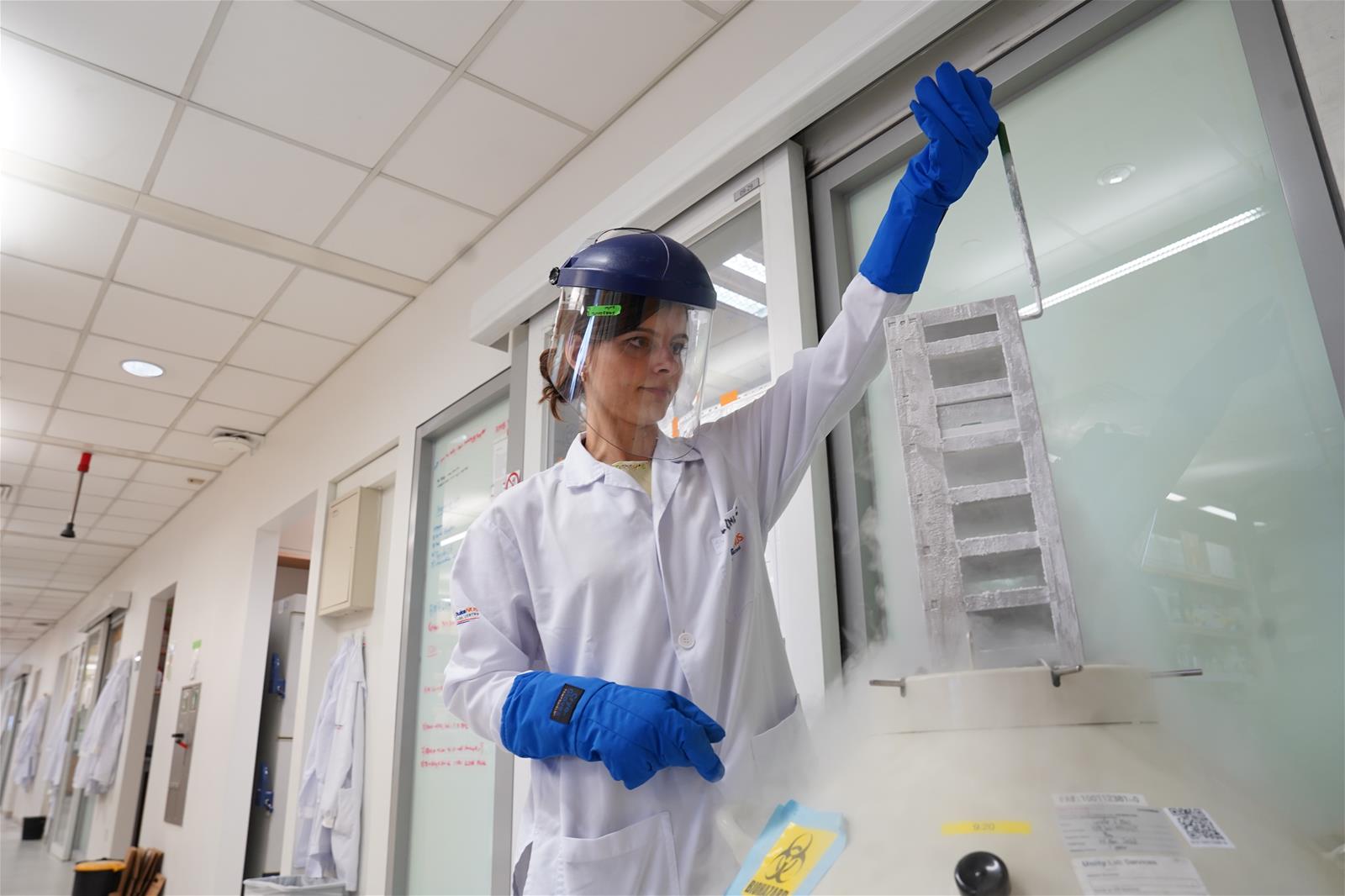
Sophie conducting the bio-banking of animal organoids for pandemic preparedness
What are the obstacles or setbacks that you would normally face in your research and how did you overcome them?
When generating new animal organoids, we often have limited information on how to culture and differentiate their stem cells. That means we must be creative, testing different signalling pathways and learning quickly from one another’s experiences. By closely observing cell behaviour and refining our methods, we gradually optimise growth and differentiation protocols for each species.
What’s the biggest misconception about conducting research on infectious diseases?
A common public misconception is that infectious disease research only starts when an outbreak happens. In reality, the rapid development of COVID-19 vaccines was built on years of foundational research on related viruses and vaccine technologies, long before the pandemic ever began. Following the coronavirus outbreak, we are once again building the foundation for future pandemic responses.
What are your future hopes for your research?
My biggest hope is to advance organoid platforms that can accelerate responses to viral outbreaks, while also potentially reducing reliance on animal models.
Our team is continuously refining these systems to be faster, more scalable, and with higher throughput. At the same time, we’re expanding the range of species from which we derive organoids, building an animal organoid biobank that allows us to study how viruses behave and which cells they infect across various zoonotic sources.
Ultimately, we aim to build systems that allow the scientific community to respond faster and more decisively when the next pandemic emerges.
Which holiday do you enjoy celebrating the most, and why?
As a former slalom skier, I still cherish winter holidays with my family. It combines my favourite sport with precious time together.
What is your favourite TV show/book?
I’d highly recommend the series Fleabag, The Bear, and Maid. They are three wildly different TV shows, but they all have amazing storytelling and have really left their mark on me.
If you could adopt a pet, what would it be?
After recently cat-sitting for about a month, I’ve learned that nothing beats being greeted by a cat at the end of a busy day, so I’d definitely adopt a cat.
What hobbies do you enjoy in your free time?
Since moving to Singapore a year ago, I have been enjoying exploring everything the city has to offer. Recently, that has included wake-surfing, paddle boarding, beach tennis and even aerial hammock. I also love discovering local nature parks, especially Sungei Buloh and MacRitchie Reservoir.
For more rugged hikes, I take advantage of long weekends to explore neighbouring countries. One highlight was hiking around Taman Negara National Park in Malaysia last year.

Disconnecting from the fast-paced city life on the MacRitchie Treetop Walk
Where do you go to unwind after a busy day?
Like many Dutch people, I clear my head by cycling. You might also find me baking, swimming, playing tennis, or occasionally binging reality shows with my flatmates.
A weekly session of unwinding with EID colleagues at the NUS Tennis Courts!
What’s your favourite beverage?
Coffee in any form, as it is my daily fuel before and after the lab.
From hospital patient to pandemic preparedness researcher, Sophie’s journey reflects the curiosity, collaboration and forward-looking innovation that define Duke-NUS.
All photos in this story are copyrighted by Sophie Wilhelmina van Leur and Duke-NUS.
We’re always on the lookout for stories to tell. Know a colleague we should feature in a future Faces of Duke-NUS spotlight? Drop us a note at communications@duke-nus.edu.sg!