ABOUT THE LECTURE:
Brentuximab vedotin (BV), a CD30-directed antibody-drug conjugate, is widely used to treat cutaneous T-cell lymphoma (CTCL). However, CD30 expression remains an imperfect biomarker for clinical response. This seminar opens by exploring two patient cases treated with BV and their contrasting outcomes, underscoring the critical need for deeper molecular characterisation. By stratifying a diverse patient cohort with CD30+ T-lymphoproliferative disease involving the skin into high- and low-risk clinical groups, we seek to uncover the molecular drivers of disease. While mutational and gene signature analyses fail to differentiate these risk groups, gene set enrichment analysis (GSEA) reveals stark differences. The high-risk group is significantly enriched in pathways governing cell cycle progression, DNA damage response, and immune activation, and exhibits a distinct immune microenvironment. Ultimately, we identify significant overexpression of clinically actionable targets in high-risk patients, highlighting promising precision therapy approaches beyond targeting CD30.
HOST:
Dr Jason Chan
Head & Senior Consultant Medical Oncologist
Department of Lymphoma & Sarcoma, NCCS
Assistant Professor
Duke-NUS Medical School
Dr Ong Choon Kiat
Principal Investigator
Lymphoma Genomic Translational Research Laboratory, NCCS
Associate Professor
Duke-NUS Medical School
VENUE:
Duke-NUS Medical School
Amphitheatre, Level 2
CONTACT PERSON:
Ms Sherlyn Leo (sherlynleo@duke-nus.edu.sg)
Duke-NUS Research Affairs Department
Date and Time
24 Nov 2026 @ 12:00 - 24 Nov 2026 @ 13:00
Speaker
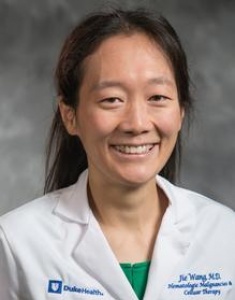
Dr Jie Wang
Assistant Professor of Medicine
Division of Hematologic Malignancies & Cellular Therapy
Duke University School of Medicine
Dr. Wang is an Assistant Professor at Duke University, leading the T-cell lymphoma clinical research program. Her research focuses on the diagnosis and treatment of T-cell malignancies, including cutaneous T-cell lymphoma (CTCL). She designs early-phase clinical trials to discover novel therapies and collaborates with the NIH and Duke-NUS. Leveraging her Masters of Science in Translational Research training from UPenn, she bridges the gap between genomic discovery and precision medicine.