Back
Signature Seminar Series: Immunogen Design to Target Conserved Regions of Rapidly Evolving Pathogens
ABOUT THE LECTURE:
Rapidly evolving pathogens like HIV, influenza, and SARS-CoV-2 escape immune responses by accumulating mutations in their surface proteins without losing fitness. However, viral surface proteins also contain highly conserved regions that are essential for receptor binding and fusion with target cells. Antibodies against some of these conserved sites have been isolated and show broad recognition of diverse viral variants, but they are typically poorly elicited by natural infection or current vaccines. In this seminar, I will describe general vaccine design strategies that employ machine learning based protein structure design and prediction to elicit antibodies against conserved epitopes on HIV and coronaviruses, such as epitope grafting, germline targeting, epitope masking, or nanoparticle design. Engineered immunogens have been shown to elicit target antibodies in relevant animal models, demonstrating the utility of our approaches and their potential to contribute to the development of broadly protective vaccines.
HOST:
Dr Ashley St. John
Associate Professor
Emerging Infectious Diseases Programme
Duke-NUS Medical School
VENUE:
Duke-NUS Medical School
Meeting Room 7C, Level 7
CONTACT PERSON:
Ms Sherlyn Leo (sherlynleo@duke-nus.edu.sg)
Duke-NUS Research Affairs Department
Date and Time
05 Oct 2026 @ 11:30 - 05 Oct 2026 @ 12:30
Speaker
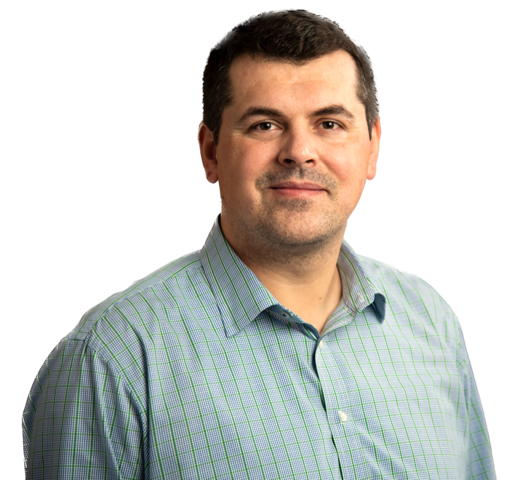
Dr Mihai Azoitei
Associate Professor of Cell Biology
Assistant Professor of Pathology
Member of the Duke Human Vaccine Institute
Duke University School of Medicine
Dr. Azoitei obtained a Bachelor of Arts in Biochemistry and Computer Science from Middlebury College (Middlebury, VT) and a PhD in Biochemistry from the University of Washington (Seattle, WA), working in the labs of Drs. William Schief and David Baker. He then completed a postdoctoral fellowship in Dr. Klaus Hahn's group in the Department of Pharmacology at the University of North Carolina-Chapel Hill before starting his independent group at Duke University and the Duke Human Vaccine Institute.