ABOUT THE LECTURE:
Merbecoviruses and Sarbecoviruses are coronaviruses that have human mortality rates up to 35%. Currently there are no vaccines or biologics that are approved to protect against both Merbecovirus and Sarbecovirus infection. Neutralising antibodies are a correlate of protection for most viral vaccines. While broadly neutralising Sarbecovirus antibodies have been discovered, broadly neutralising Merbecovirus antibodies have yet to be described. Here, we show a coronavirus spike nanoparticle vaccine that protected mice or monkeys against pathogenic human Merbecoviruses and Sarbecoviruses. Moreover, the vaccine protected mice and macaques against animal coronaviruses capable of infecting human epithelial cells in vitro. Vaccinated macaque serum neutralised 14 different Sarbecoviruses or Merbecoviruses. Structural studies of the vaccine-induced antibody response uncovered a broadly neutralising antibody epitope that conferred neutralisation of human and bat Merbecoviruses and protection from lethal MERS-CoV infection. These studies provide proof-of-principle that broadly protective coronavirus vaccines can induce broadly neutralising Merbecovirus and Sarbecovirus antibodies.
HOST:
Dr Ashley Lauren St. John
Associate Professor
Emerging Infectious Diseases Programme
Duke-NUS Medical School
VENUE:
Duke-NUS Medical School
Amphitheatre, Level 2
CONTACT PERSON:
Ms Sherlyn Leo (sherlynleo@duke-nus.edu.sg)
Duke-NUS Research Affairs Department
Date and Time
28 Apr 2026 @ 12:00 - 28 Apr 2026 @ 13:00
Speaker
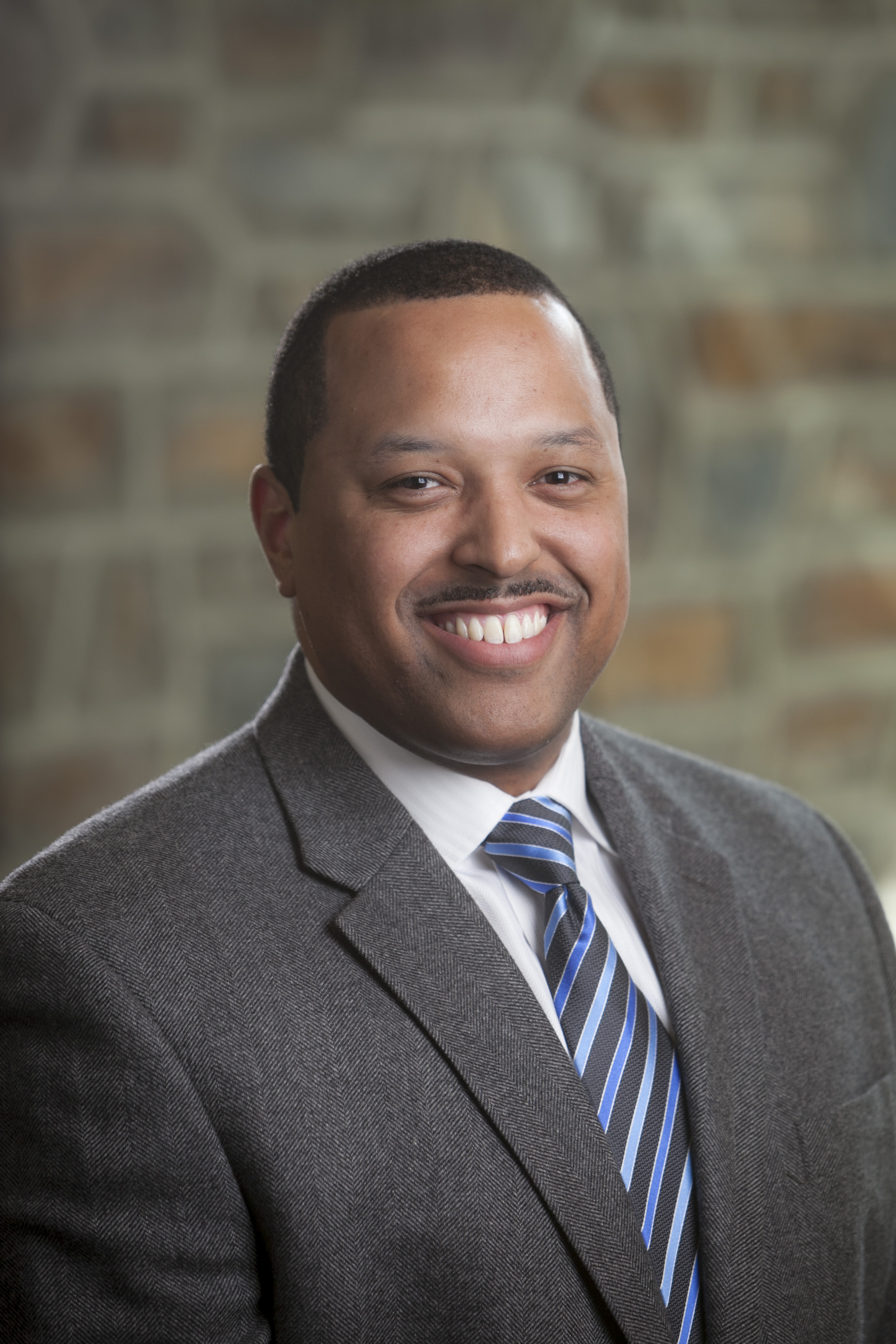
Dr Kevin O. Saunders
Associate Director of the Duke Human Vaccine Institute
Norman L Letvin Distinguished Professor
Duke University School of Medicine
Dr. Kevin O. Saunders completed his doctoral research at Duke University and his postdoctoral fellowship at the National Institutes of Health NIAID Vaccine Research Center. Currently, he is the Norman L. Letvin, MD Distinguished Professor in Immunology and Infectious Diseases Research at Duke University. He serves as the associate director for the Duke Human Vaccine Institute, where he leads a team that translates vaccines from the research lab into clinical trials.