With support from Duke-NUS’ Centre for Outbreak Preparedness and Asia Pathogen Genomics Initiative, Pakistan’s new wastewater surveillance strategy aims to detect emerging infectious disease threats earlier and strengthen public health response across the country.
Under the unforgiving afternoon sun, two laboratory technicians make their way to a quiet residential neighbourhood in Islamabad.
A river cuts through the area, carrying wastewater from surrounding households and farms.
Clad in protective gear, they carefully lower a bucket into the current, collecting water samples that may hold invisible clues about the health of an entire community.
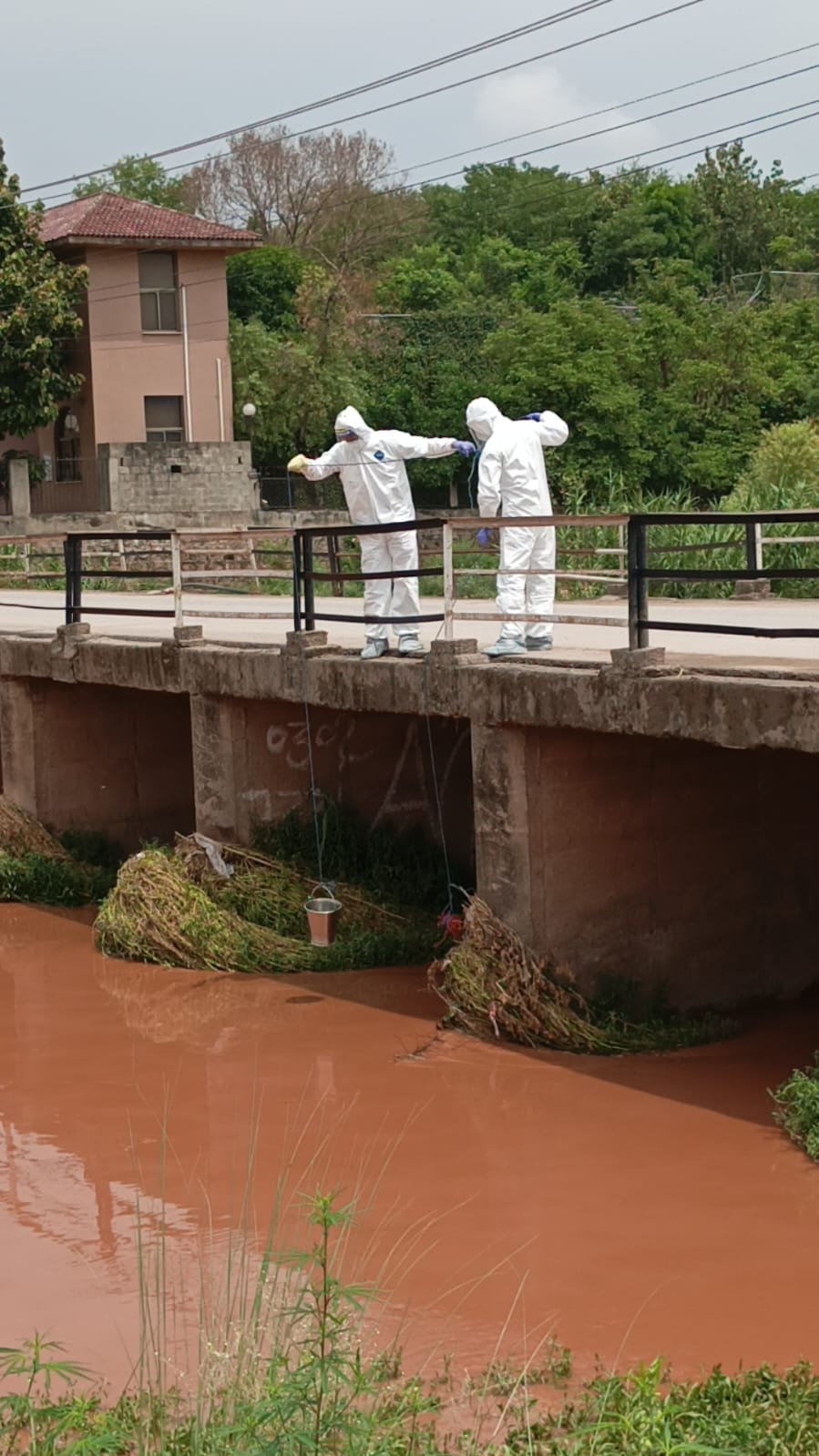
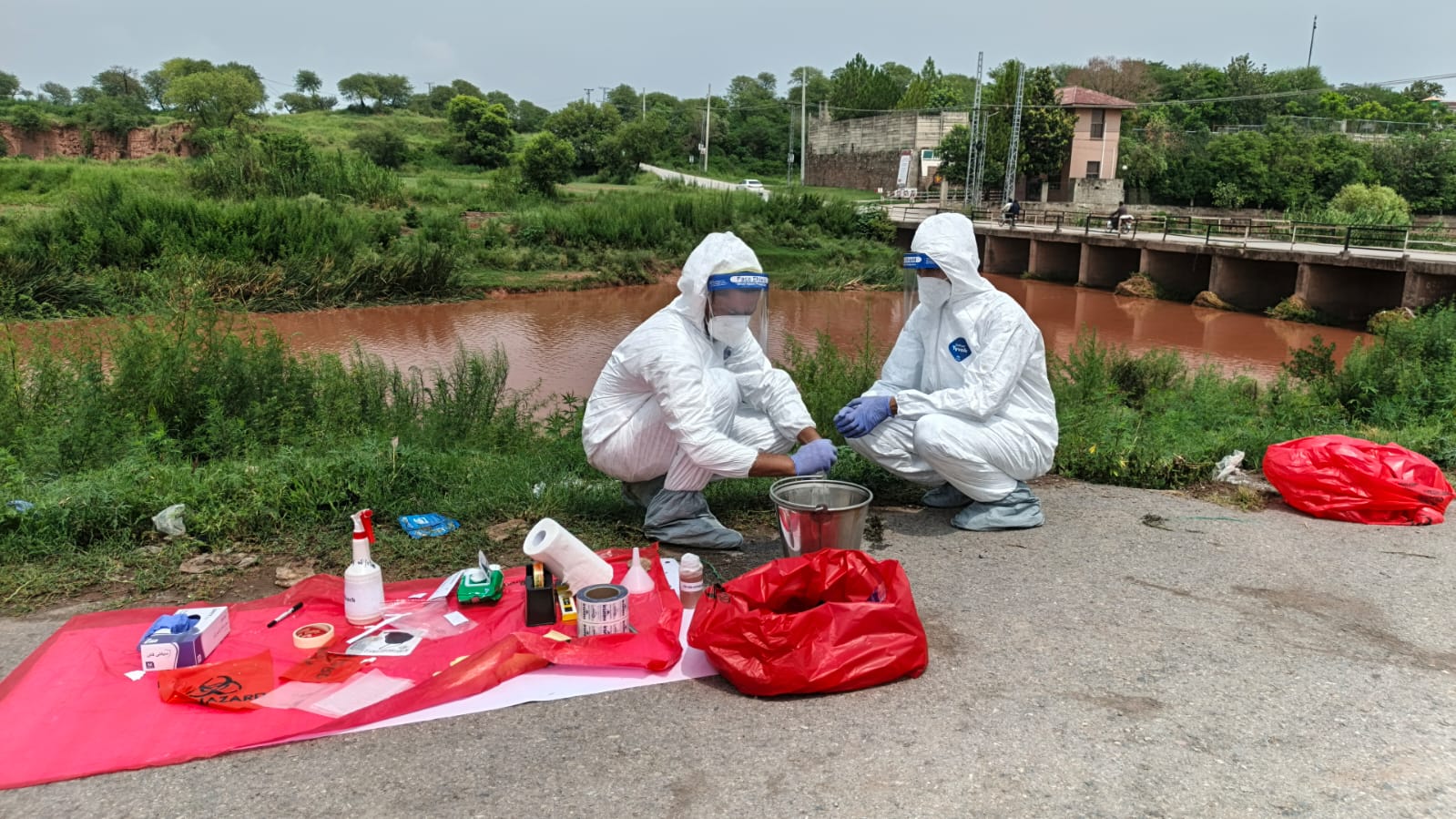
Wastewater sampling in Islamabad, July 2026 // Photo credit: National Institute of Health, Pakistan
Hidden in these samples may be the earliest warning signs of an emerging infectious disease—long before patients begin turning up at hospitals.
This is the crux of Pakistan’s Wastewater and Environmental Surveillance (WES) Strategy, which was launched on 13 July 2026.
The WES strategy is led by the National Institute of Health (NIH), Pakistan, in collaboration with Aga Khan University (AKU) and the Centre for Outbreak Preparedness (COP) at Duke-NUS Medical School, Singapore, including its Asia Pathogen Genomics Initiative (Asia PGI).
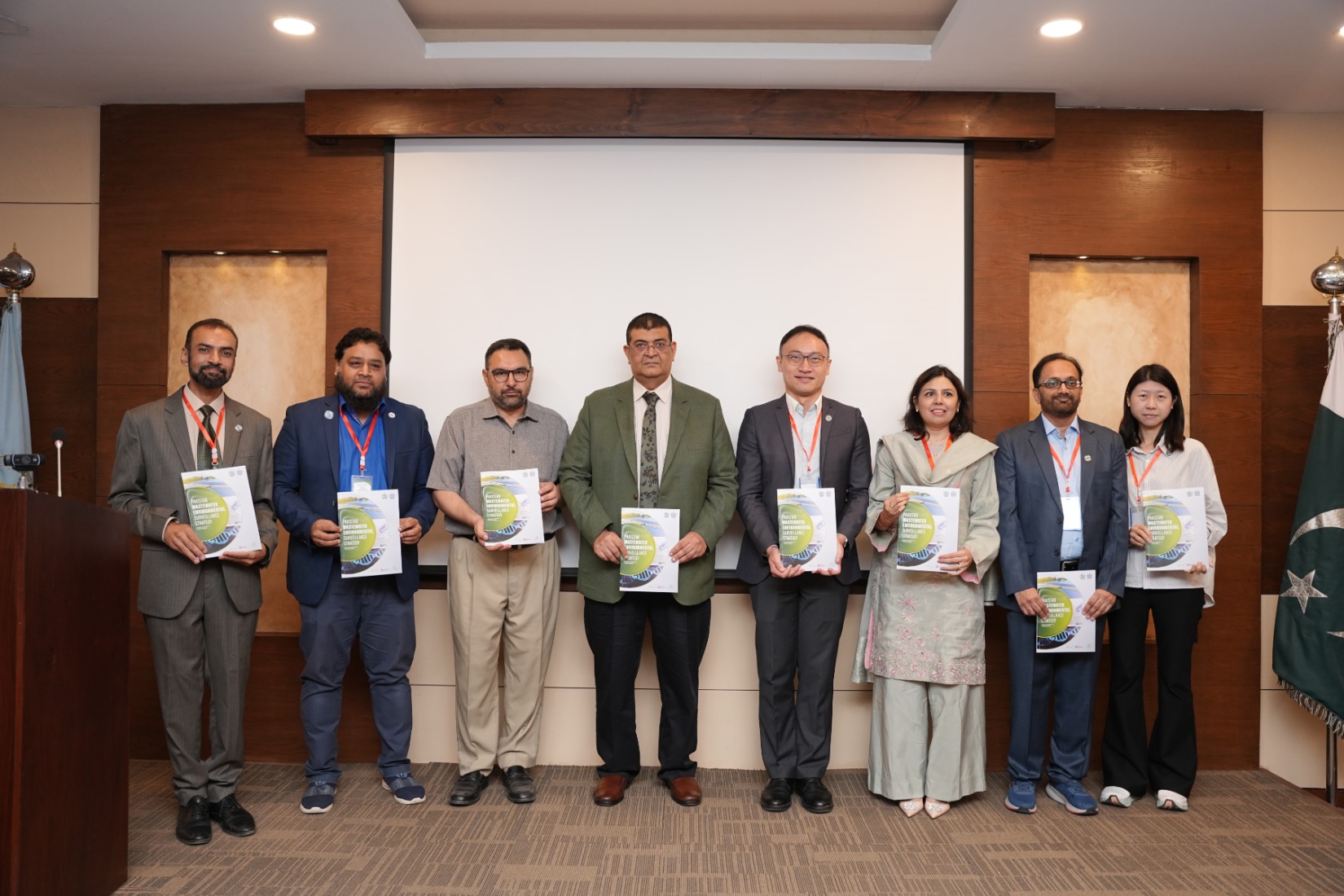
At the launch of Pakistan’s Wastewater and Environmental Surveillance (WES) Strategy, 13 July 2026 // Photo credit: National Institute of Health, Pakistan
With wastewater surveillance, authorities can gain a crucial head start of one to two weeks in identifying an emerging outbreak before clinical symptoms are reported, enabling faster public health responses and giving communities valuable time to prepare.
As a start, 14 wastewater sampling sites across Pakistan have been identified, from drains and sewage treatment plants to rivers running through residential neighbourhoods.
Scientists will collect water samples from these locations at regular intervals and analyse them using advanced molecular testing and genomic sequencing techniques.
From these tests, they can detect pathogens that could spread rapidly, such as Salmonella and Vibrio cholerae (bacteria that cause diarrhoea, among other symptoms), as well as viruses, including influenza and SARS-CoV-2.
The findings will be shared with public health authorities, enabling faster and more targeted interventions.
This was a project that has been in the works for two years, through a comprehensive multi-sectoral consultative process involving key stakeholders from Pakistan’s Ministry of Climate Change and Environmental Coordination, Ministry of Water Resources, Ministry of National Food Security and Research, Provincial Health Departments, Water and Sanitation Agencies, Public Health Engineering Departments, municipal authorities, wastewater management organisations, academia experts and public health stakeholders.
“Wastewater surveillance is built on a simple idea: people shed traces of viruses, bacteria, and other pathogens into wastewater, often before they develop symptoms or seek medical care. This helps us to pick up undiagnosed cases or even identify hidden pockets of disease within the community,” said Assistant Professor Vincent Pang, Centre for Outbreak Preparedness, Duke-NUS Medical School.
Preparations started in April 2025, when a comprehensive analysis of opportunities and challenges was undertaken through national consultative workshops.
This was followed by a series of laboratory training programmes in Pakistan to strengthen the technical capabilities of field and laboratory personnel responsible for wastewater environmental surveillance, including sample collection and upstream processing.
The sessions were led by local experts who had previously completed hands-on training at the Asia Pathogen Genomics Initiative (Asia PGI) Academy in Singapore.
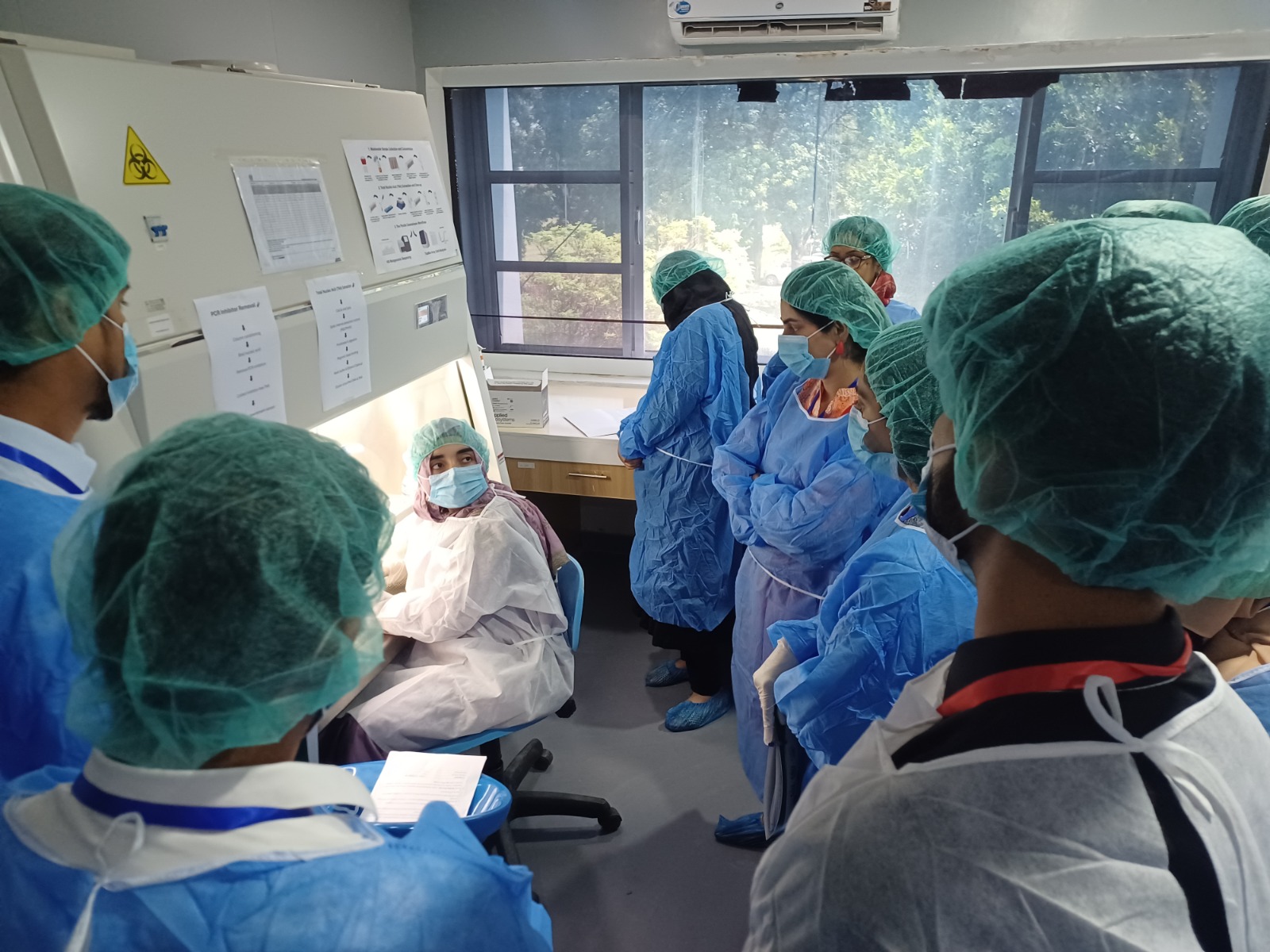
Hands-on laboratory training on WES, metagenomic sequencing and bioinformatics at National Institute of Health, Pakistan, in July 2026 // Photo credit: Duke-NUS Medical School
Recently, in line with the launch of the National WES Strategy, the team visited various health and regulatory agencies in July to discuss economies of scale and how the collected data could be shared with different national stakeholders to guide public health decisions, policies and actions.
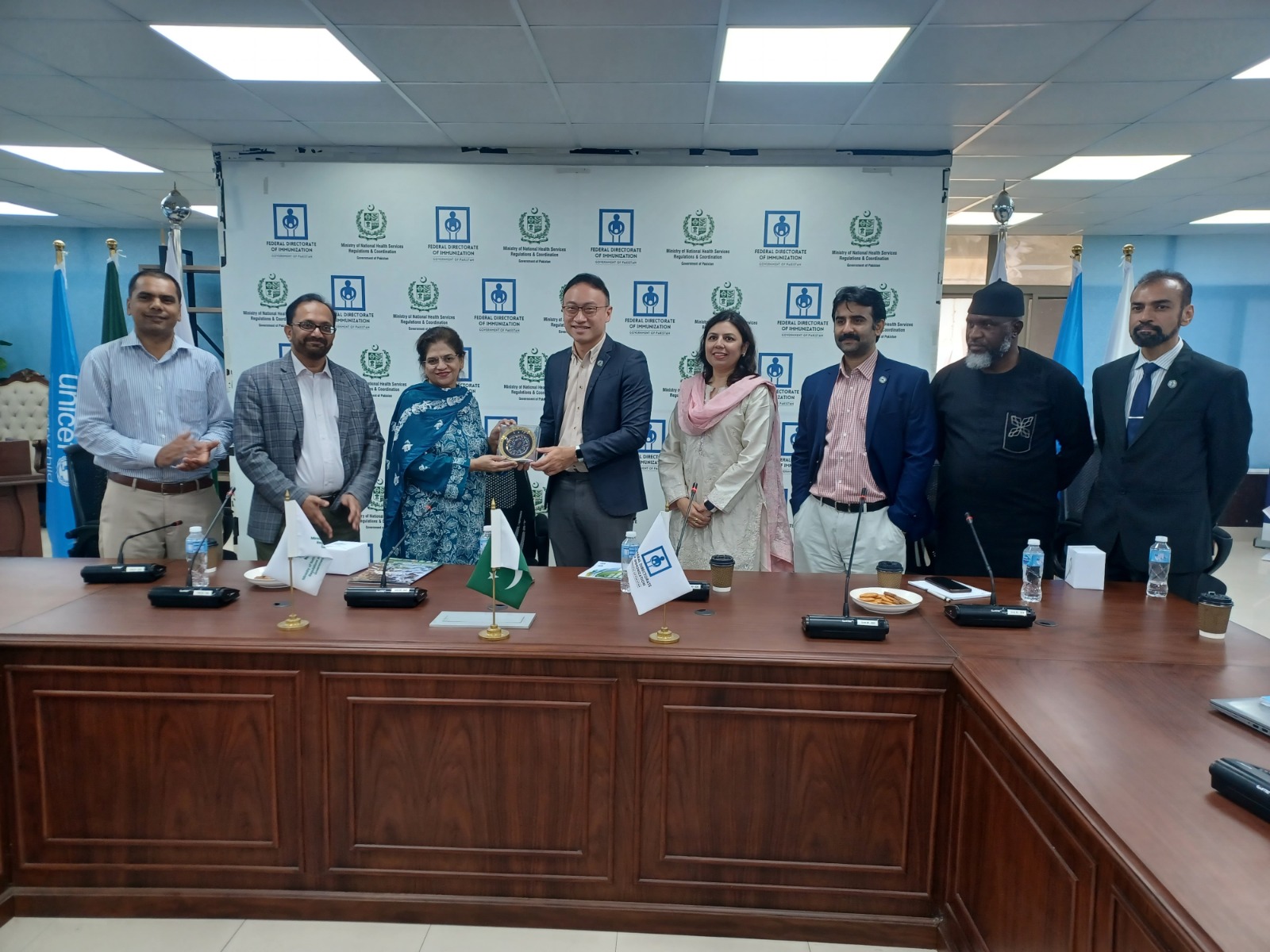
Exploring how a wastewater surveillance system could inform vaccination policies and strategies with the Federal Directorate of Immunisation in July 2026 // Photo credit: Duke-NUS Medical School
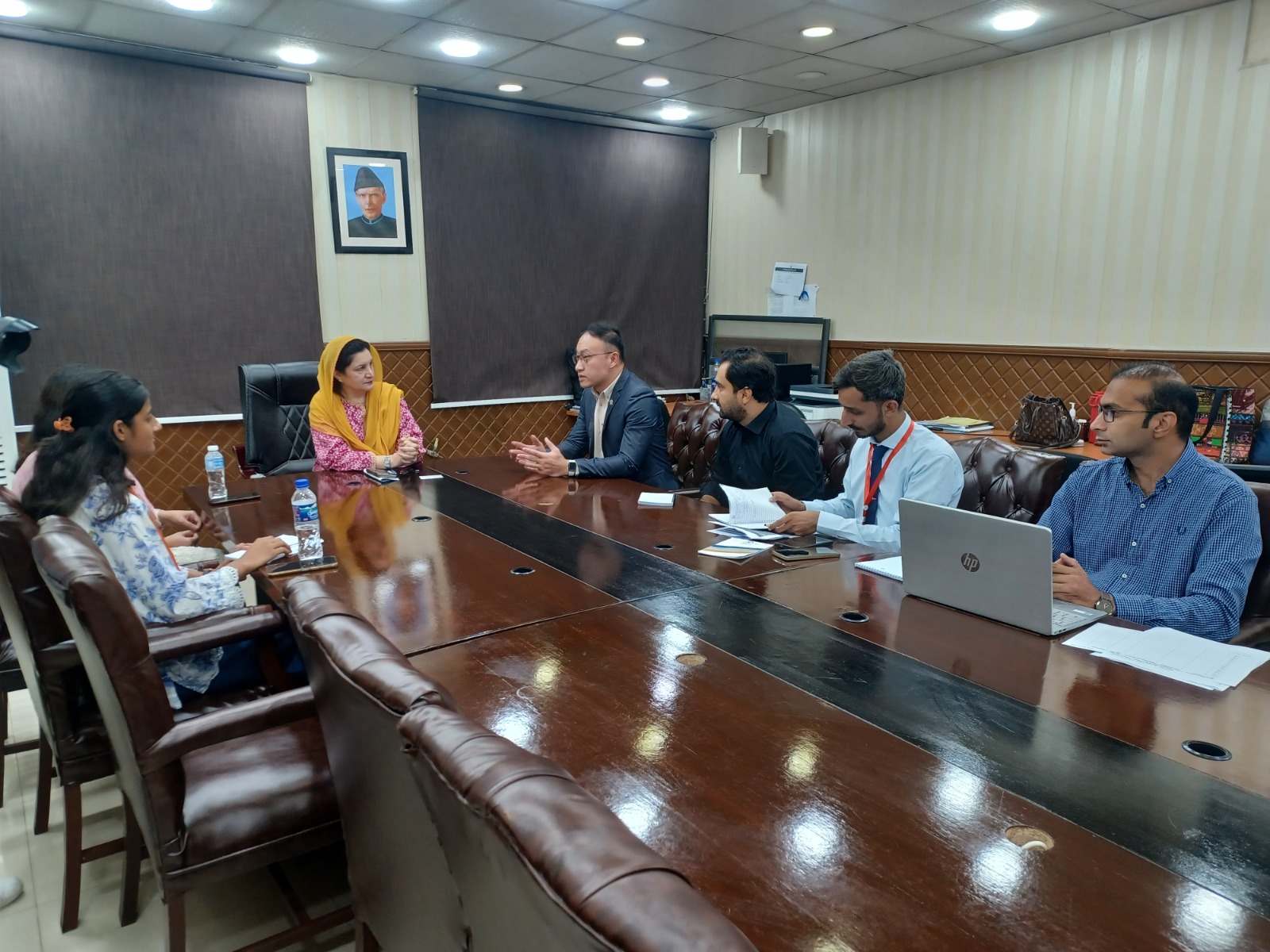
At the District Health Office Islamabad in July 2026 to discuss opportunities to engage community health stakeholders // Photo credit: Duke-NUS Medical School
They also spoke with community leaders at a vaccination clinic in Islamabad to find out more about sentiments on the ground, the support needed to roll out the surveillance programme and the implementation of public health actions guided by the early signals of WES.
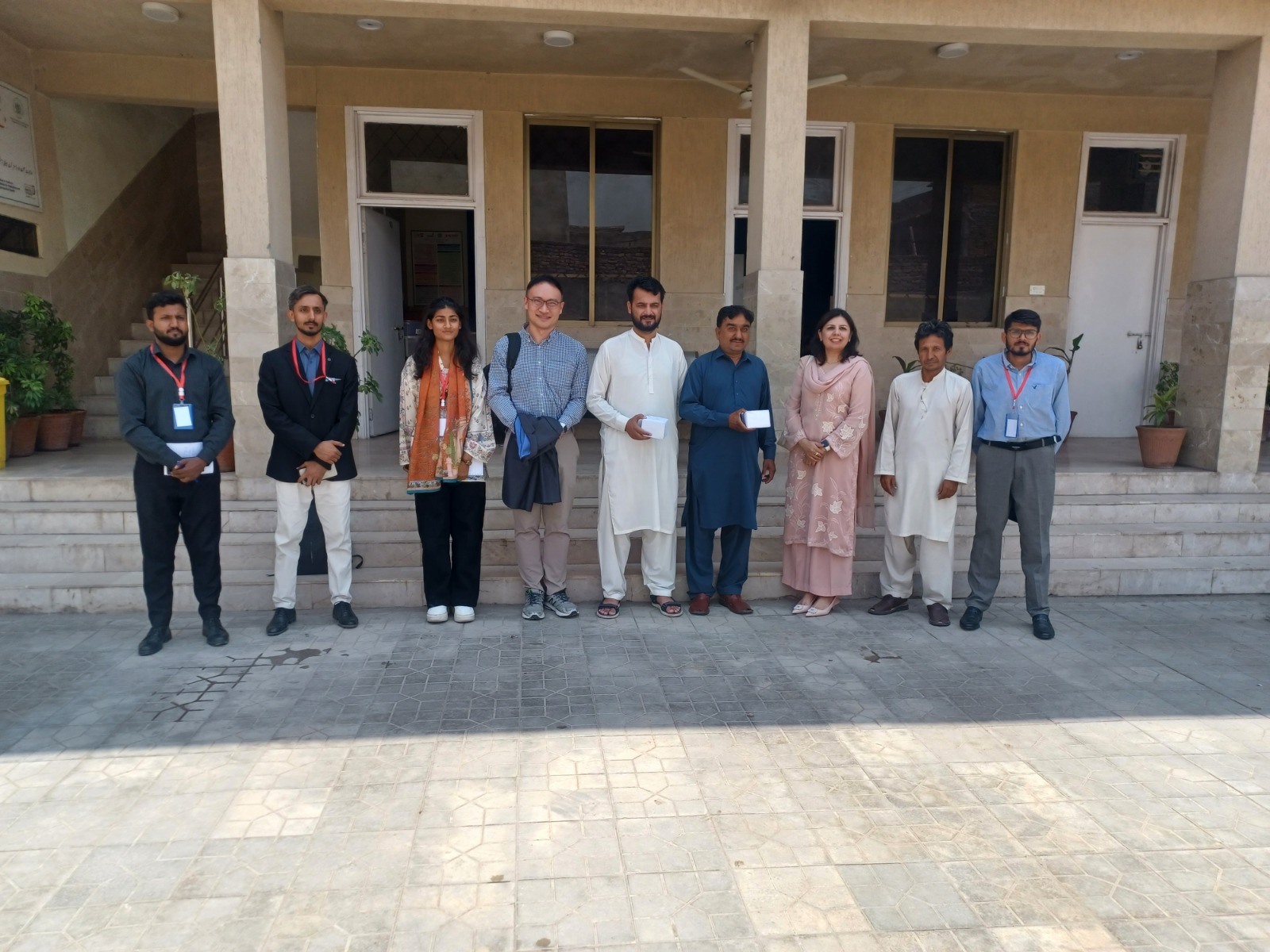
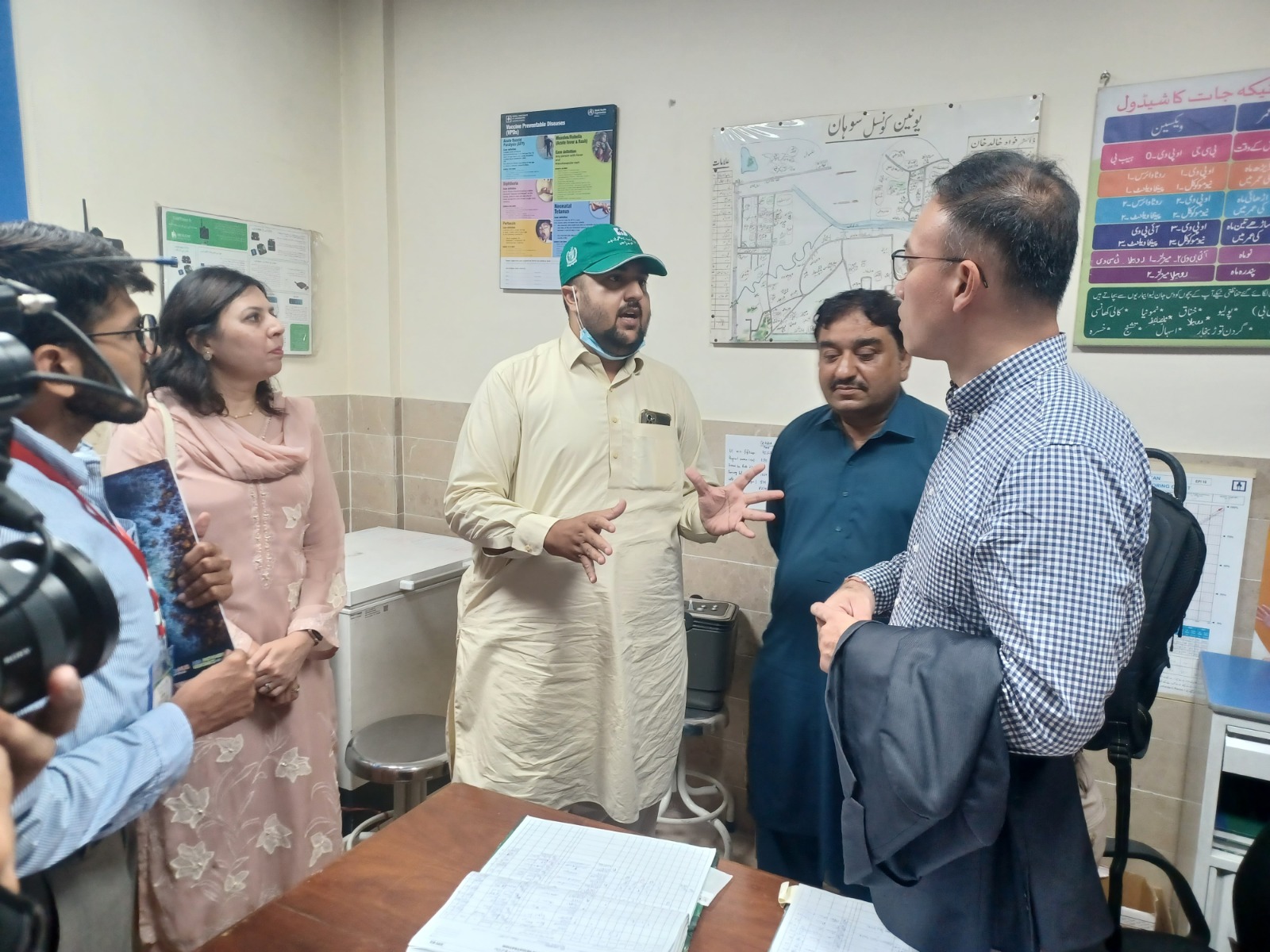
Discussions with healthcare and community leaders in a vaccination clinic in Iqbal town, Islamabad, in July 2026 // Photo credit: Duke-NUS Medical School
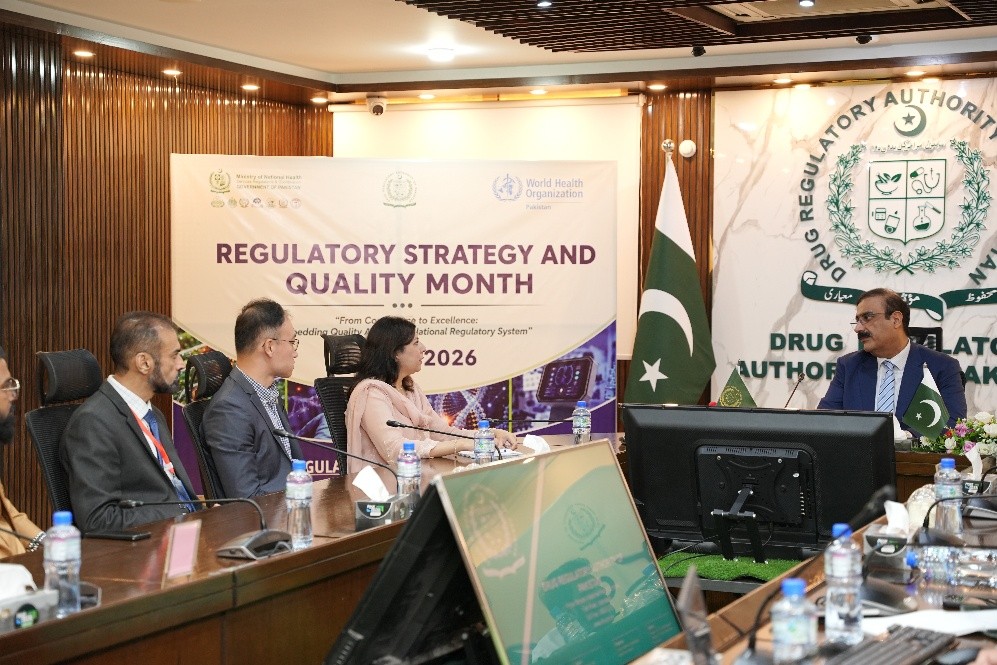
Discussions with Dr Obaidullah Malik CEO, Drug Regulatory Authority of Pakistan, Islamabad, to highlight the role of DRAP in WES, in July 2026 // Photo credit: National Institute of Health, Pakistan
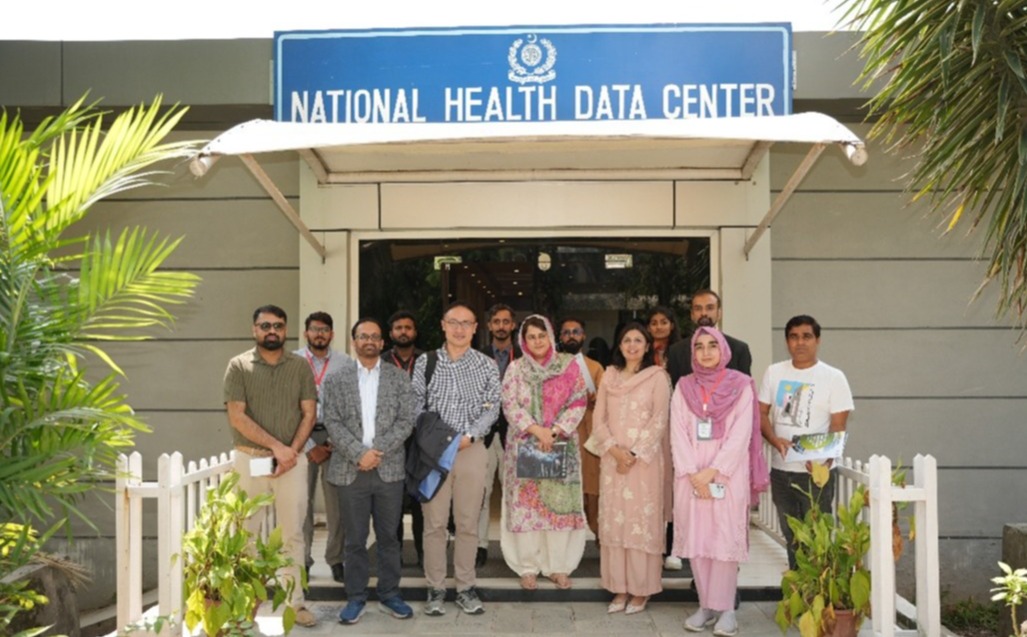
Discussions with National Health Data Center at NIH for WES data use and integration, in July 2026 // Photo credit: National Institute of Health, Pakistan
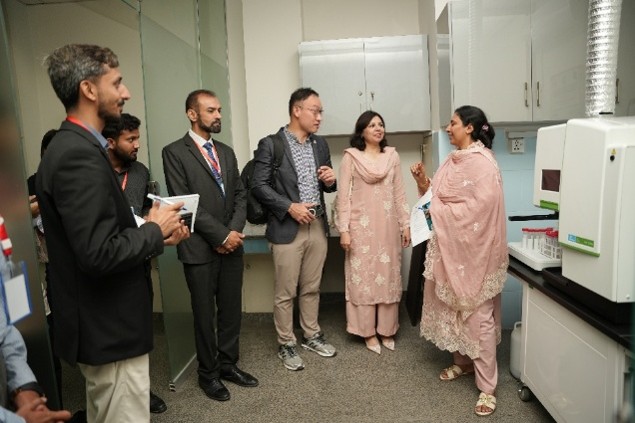
Discussions with Environmental Protection Agency Islamabad to highlight the role of EPA in ongoing WES efforts, in July 2026 // Photo credit: National Institute of Health, Pakistan
The programme received the support of Pakistan’s Federal Minister for Health, Syed Mustafa Kamal, Ministry of National Health Services, Regulations and Coordination.
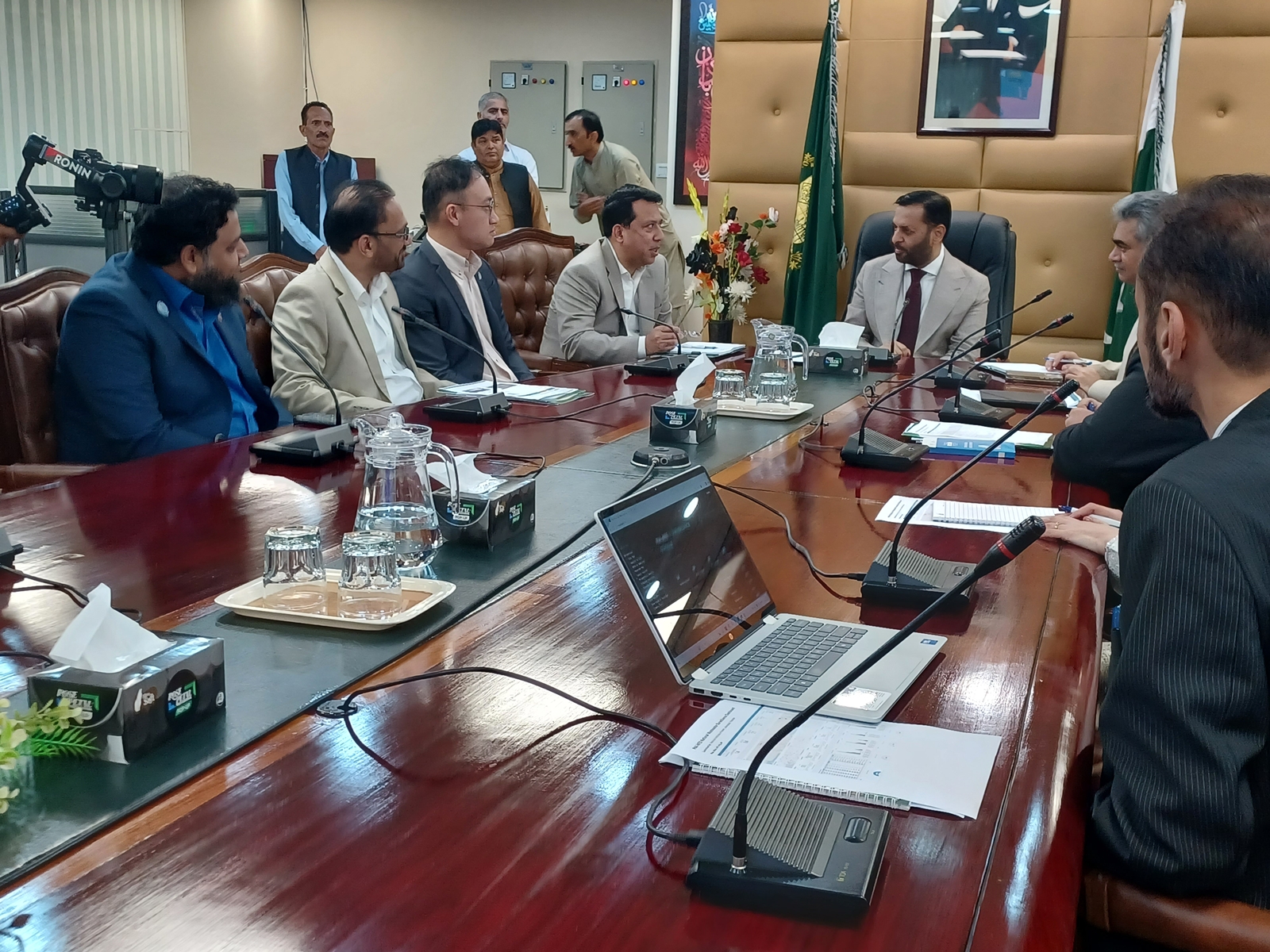
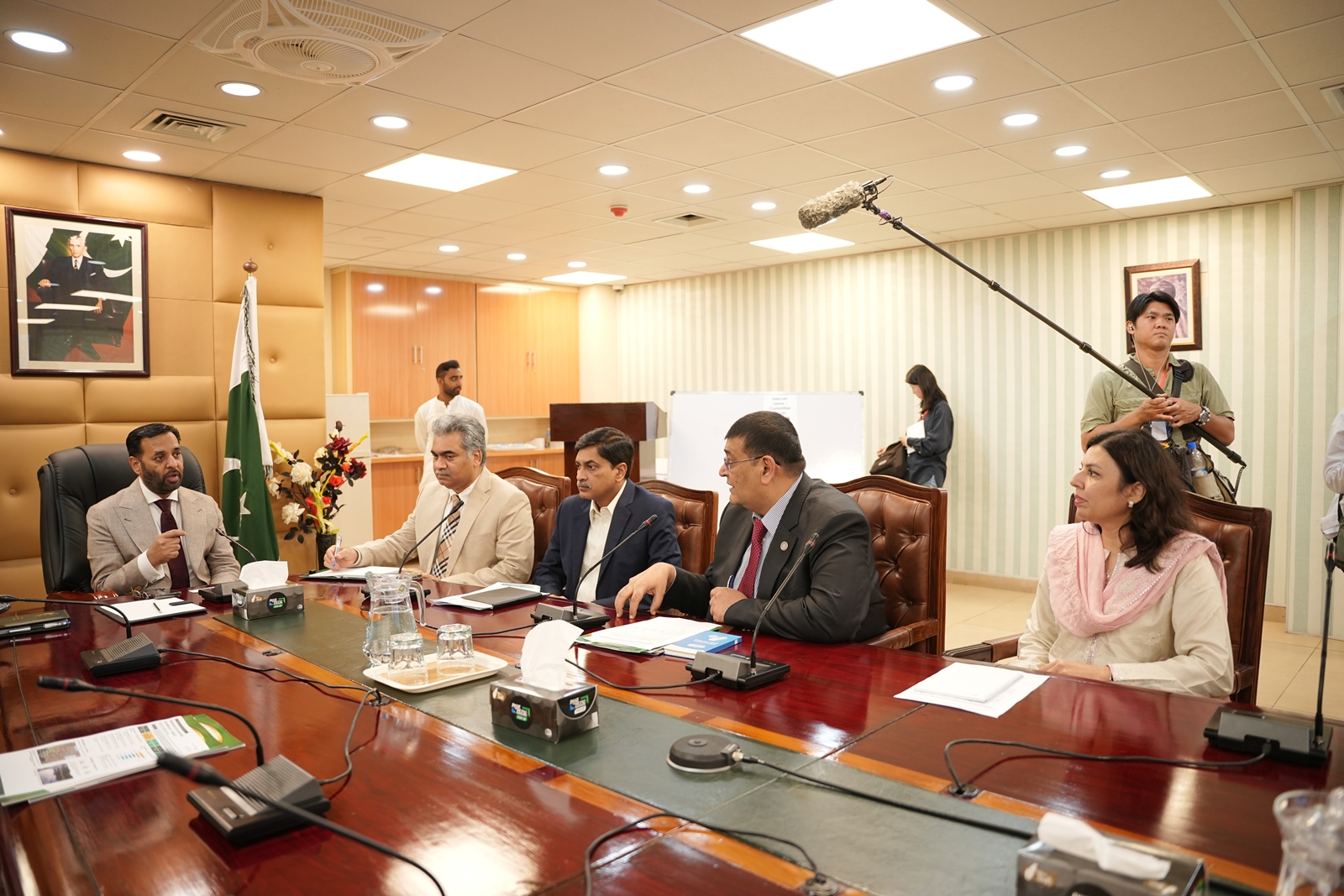
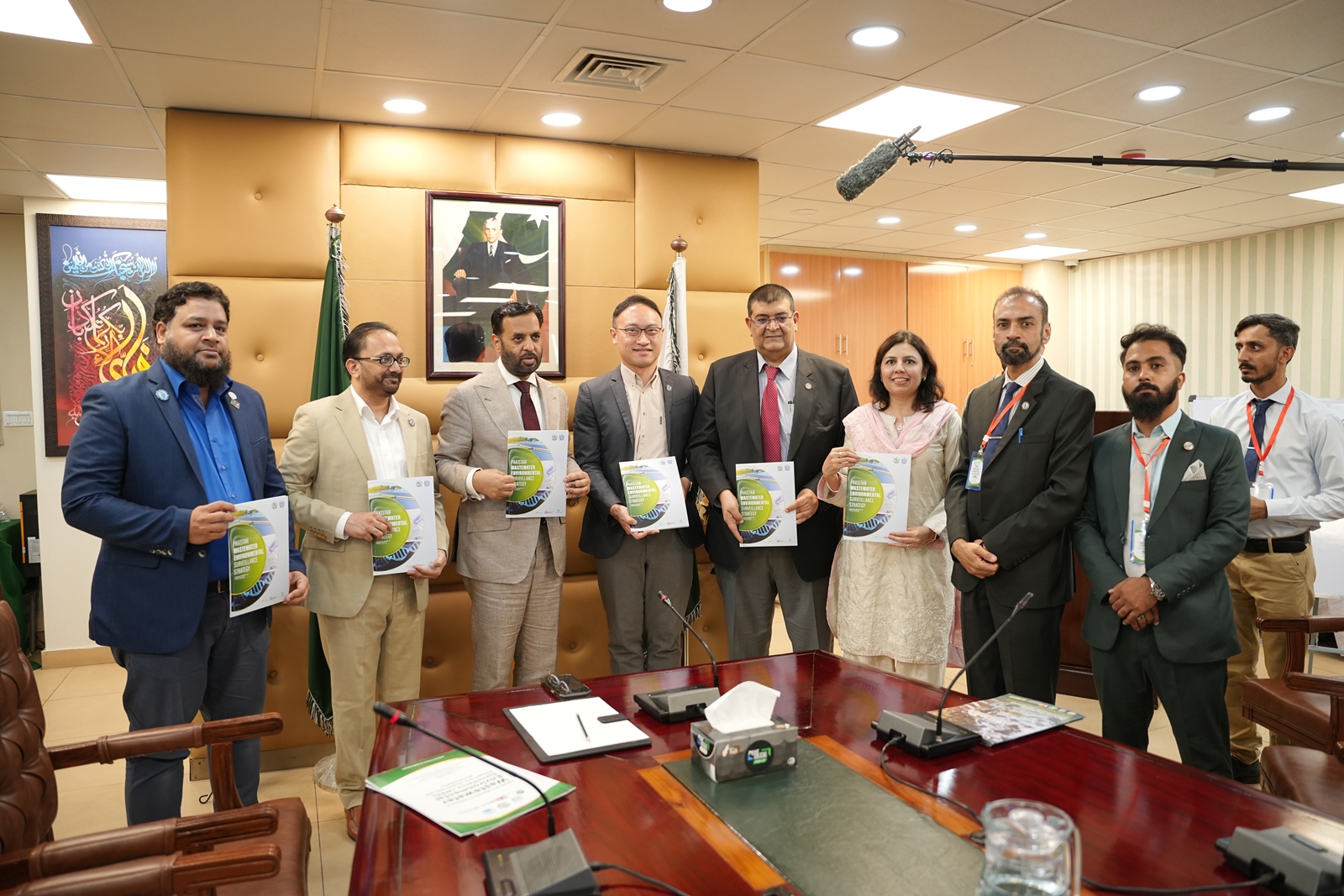
In July 2026, following the launch of the National Wastewater and Environmental Surveillance (WES) Strategy, the WES team engaged the Ministry of Health to discuss the importance of strengthening wastewater surveillance and treatment systems across Pakistan. During a meeting with Federal Minister for Health Syed Mustafa Kamal, the importance of improving wastewater treatment was highlighted as a critical measure for protecting public health. The discussions also focused on strengthening collaboration among national stakeholders and using WES-generated data to support evidence-based public health decisions, policies and actions // Photo credit: National Institute of Health, Pakistan
He reaffirmed the government's commitment to strengthening Pakistan's public health surveillance systems and emphasised that WES is a strategic investment for enhancing early warning, outbreak detection and public health decision-making.
The Minister called upon technical experts to provide practical, evidence-based recommendations from a national perspective to support the continued expansion and sustainability of the National WES System.
Dr Muhammad Salman, Chief Executive Officer, NIH Pakistan, highlighted that the launch of Pakistan's WES System is a “significant milestone in strengthening the country's public health surveillance and outbreak preparedness”.
The launch also marked the inauguration of the National WES Dashboard hosted at the NIH, a digital platform that integrates WES data including the genomics data from across the country to enable real-time monitoring, geographic mapping, trend analysis, and informed decision-making for improved outbreak preparedness and response.
Dr Salman stated that the “WES platform will enable early detection of priority pathogens, support evidence-based decision-making, and enhance Pakistan's capacity to prevent and respond to emerging public health threats through a coordinated One Health approach”.
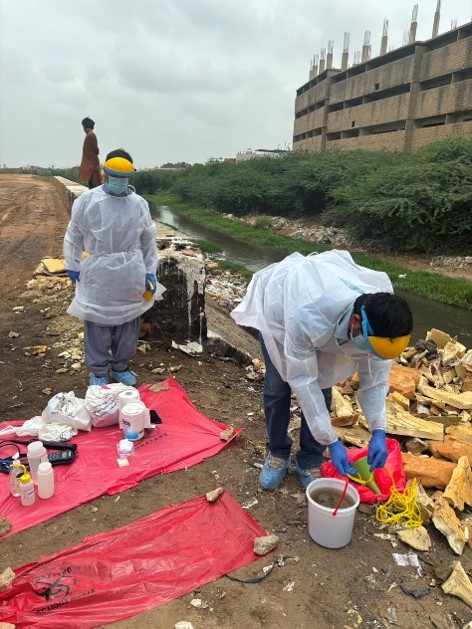 Wastewater sample collection from Karachi in July 2026 // Photo credit: Vincent Pang
Dr Imran Nisar from AKU added that AKU’s Infectious Diseases Research Lab, Department of Pediatrics and Child Health, has been conducting wastewater surveillance across seven sites in Karachi using a purpose-built testing panel capable of screening multiple pathogens simultaneously, complemented by genomic sequencing to characterise circulating threats.
Dr Afreenish Amir from NIH described how extensive preparatory work, including sewage network site mapping, national stakeholder consultations for pathogen prioritisation, and the development of standardised sampling and testing protocols, has created a strong foundation for scaling wastewater surveillance into a sustainable national system.
“Pilot implementation across 14 sites in Lahore, Rawalpindi, Islamabad, and Karachi has generated significant findings and demonstrated the value of wastewater surveillance as an early warning tool for public health,” explained Dr Amir.
She emphasised that with continued support and collaboration, “the system can be expanded nationwide to support outbreak detection, monitoring of emerging pathogens, and timely public health actions, including targeted vaccination strategies and other preventive interventions.”
Building on this foundation, Asia PGI through Duke-NUS COP will continue to work with national, regional and international partners to further expand wastewater and environmental surveillance in low- or middle-income countries across Asia, strengthening public health systems for stronger regional health security.