Duke-NUS news highlights




Advances in pancreatic cancer treatment, AI that improves patient outcomes, and further insights into stomach cancer risk—all in this quarter's round-up of Duke-NUS news.
Duke-NUS researchers continued to make their mark among the world’s top scientists. From mapping the developing human brain to advancing precision medicine to redefining children’s mental health and national bird’s nest safety standards, their discoveries are shaping science with real-world impact.
From decoding gut biology to innovating in vaccine delivery technologies, Duke-NUS and our partners are driving discoveries that are reshaping medicine.
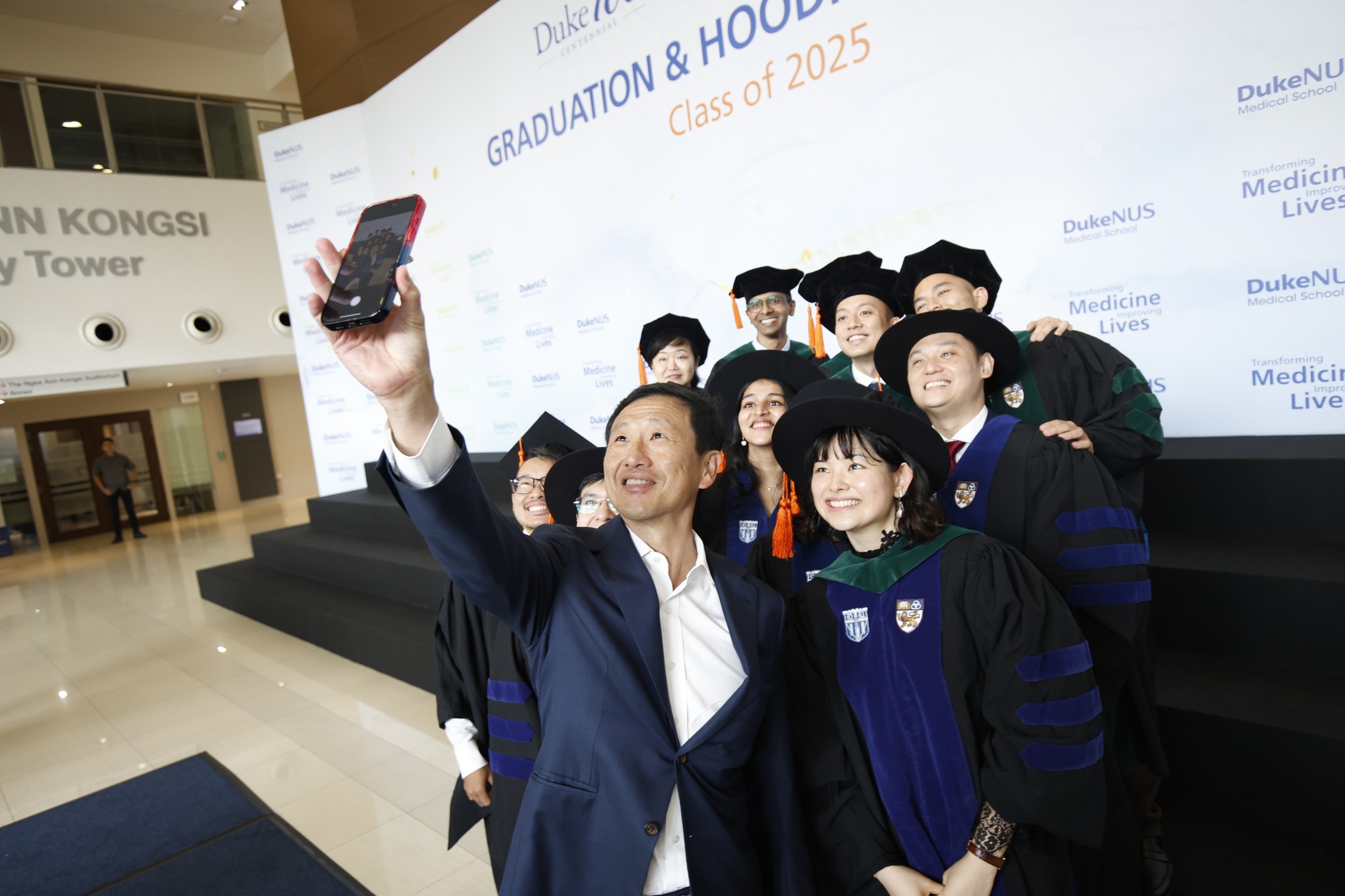
From welcoming our next Dean to celebrating our largest graduating class, from designing better online shopping tools that support healthier living and ageing to accelerating muscle-loss research—Duke-NUS continues to chart new ground in medical education, research and innovation.
Scientists at Duke-NUS are not just pushing the boundaries of basic scientific research; they are redefining them.
Scientists at Duke-NUS are not just pushing the boundaries of basic scientific research; they are redefining them.
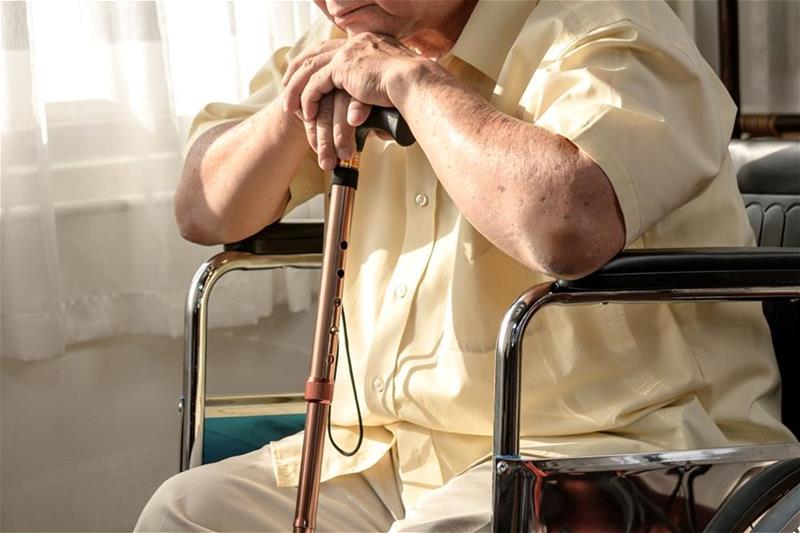
Could Duke-NUS researchers have found the key to slowing ageing and staving off the physical decline that comes with it?
Duke-NUS team receives US$1.85 million boost to advance their mission.
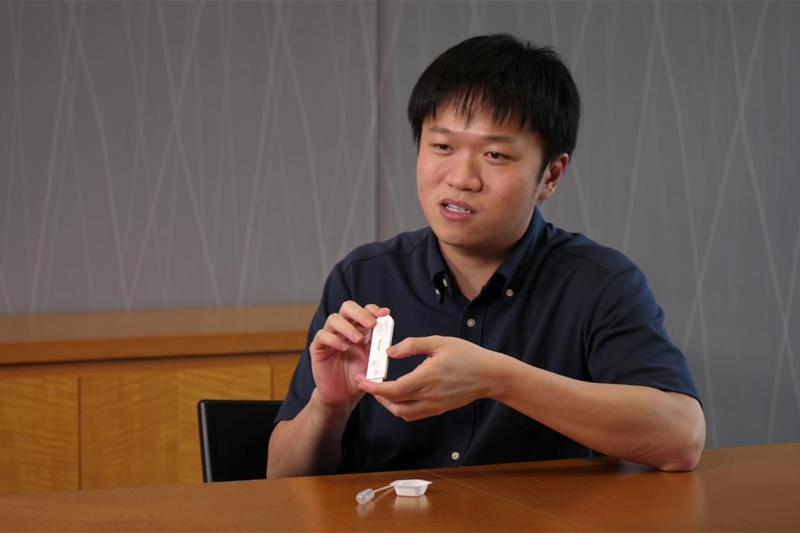
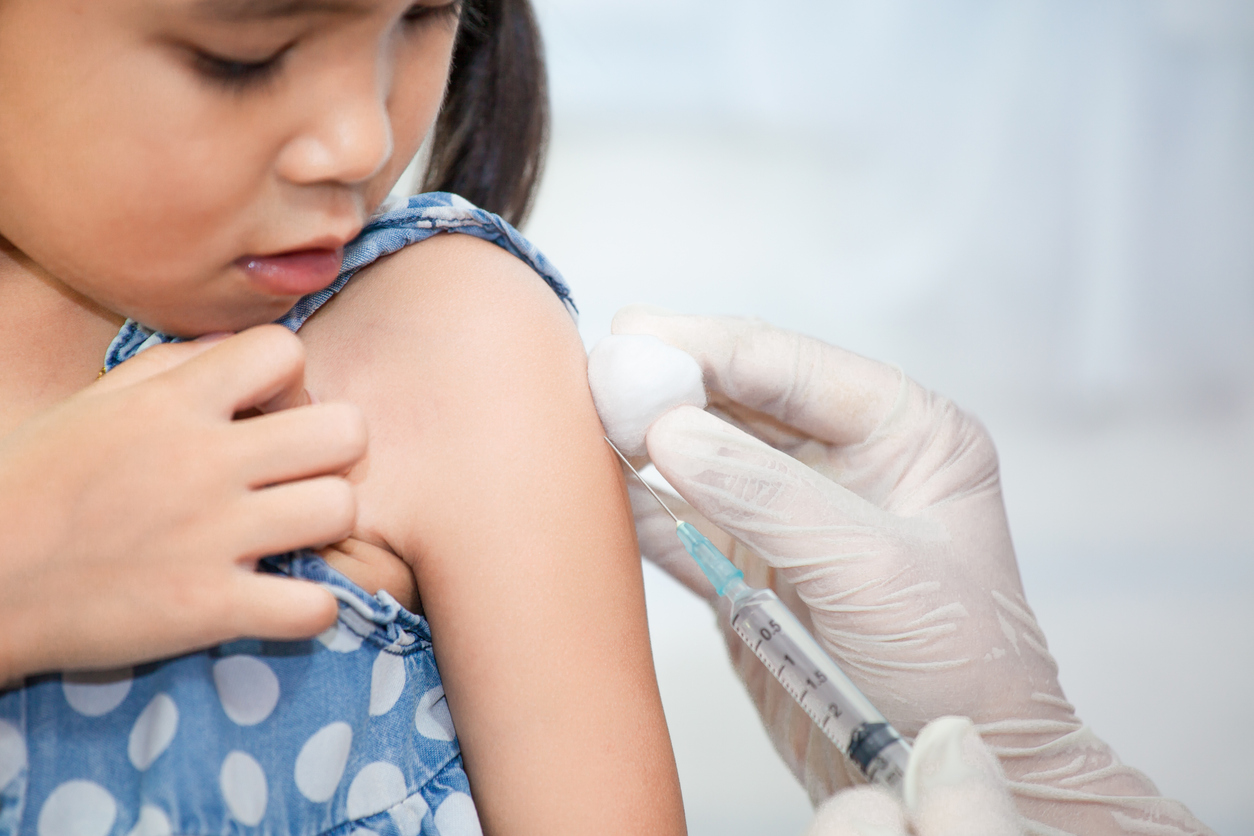
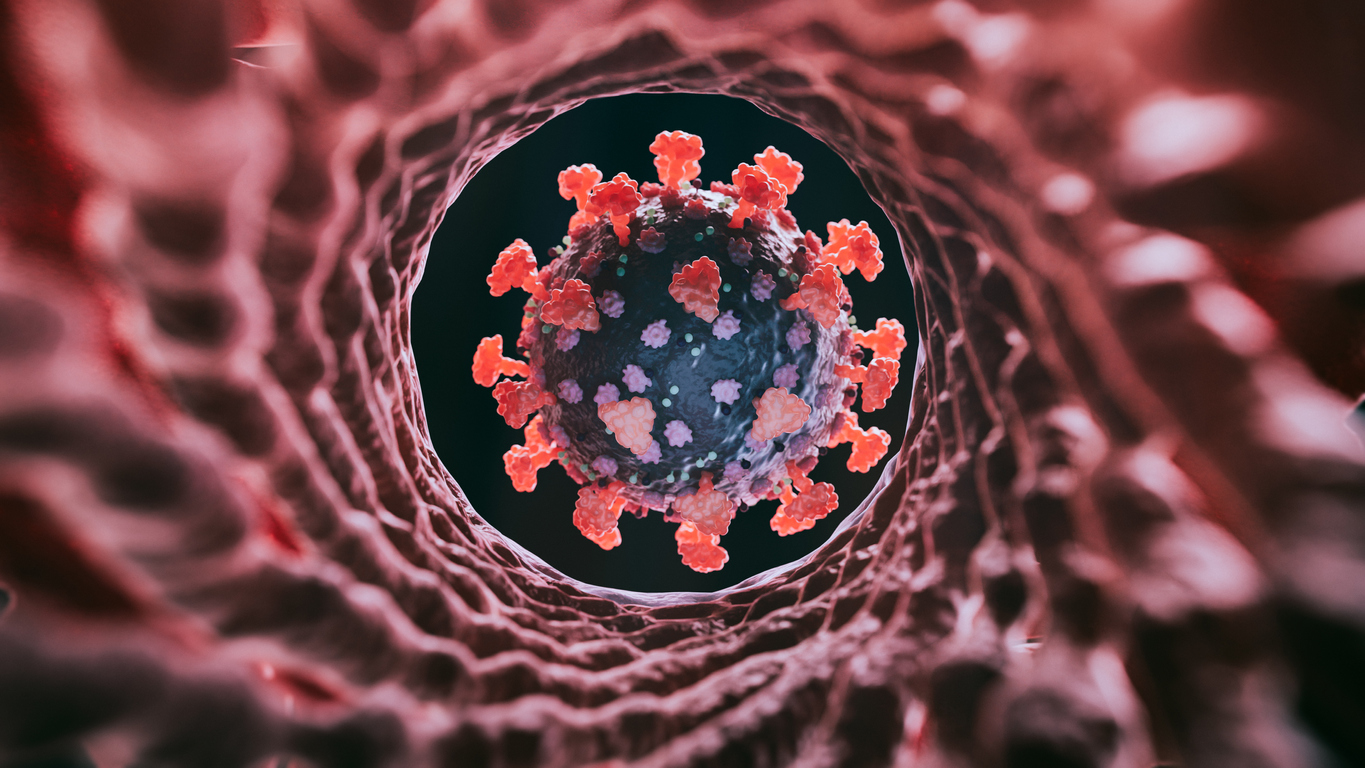
The immune response from two doses of mRNA vaccines is enough to protect against COVID-19 in children, according to a new study by Duke-NUS and the NUS Yong Loo Lin School of Medicine.
Artificial Intelligence is set to revolutionise Emergency Department operations with more precise assessments of case urgency and mortality risk.
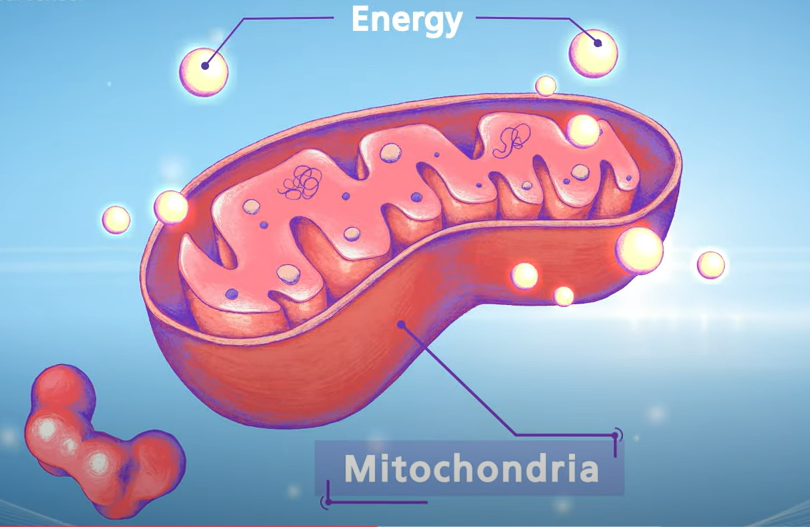
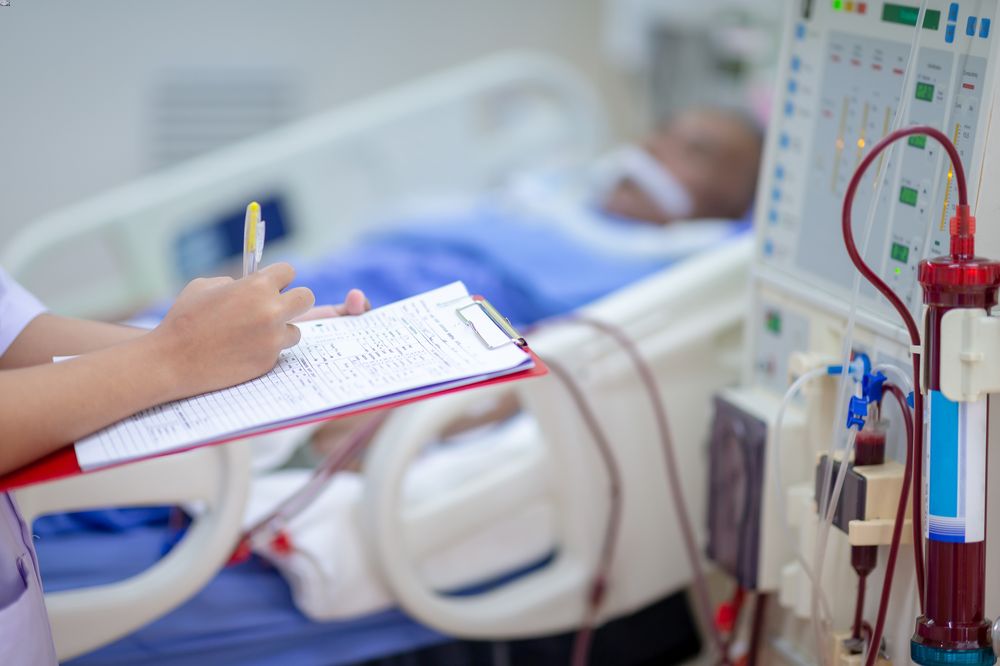
Duke-NUS scientists have made a groundbreaking discovery – a gene that controls energy supply to kidney cells responsible for renal failure.
Duke-NUS scientists accelerate groundbreaking stem cell therapy for neurological disorders, powered by transformative philanthropy.
This finding could improve screening and monitoring of patients at high-risk of developing stomach cancer.
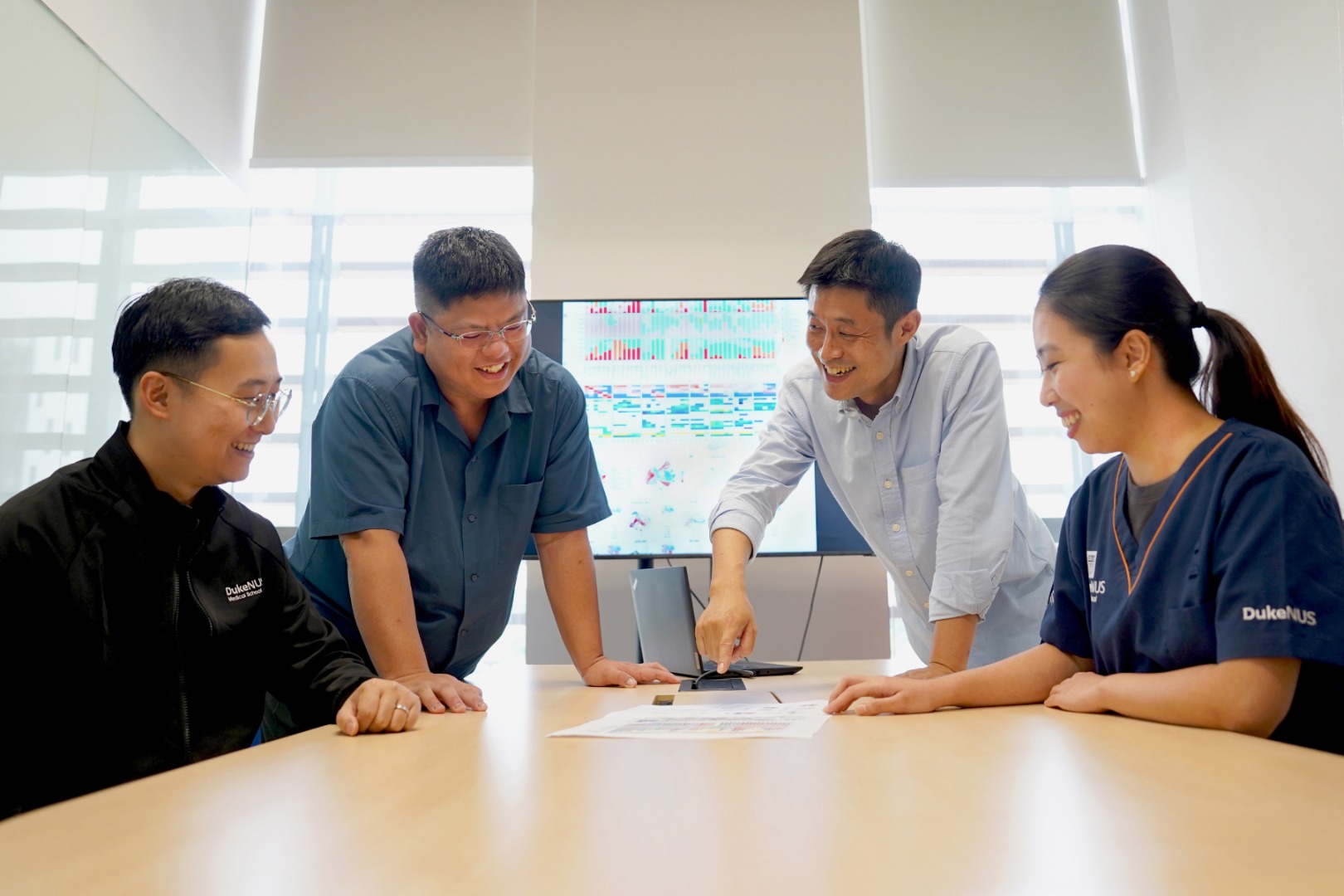
A team of multidisciplinary researchers uncovers clues to how kidney disease develops in diabetes.
Updated international heart health advice emphasises meditation, yoga to combat heart disease.
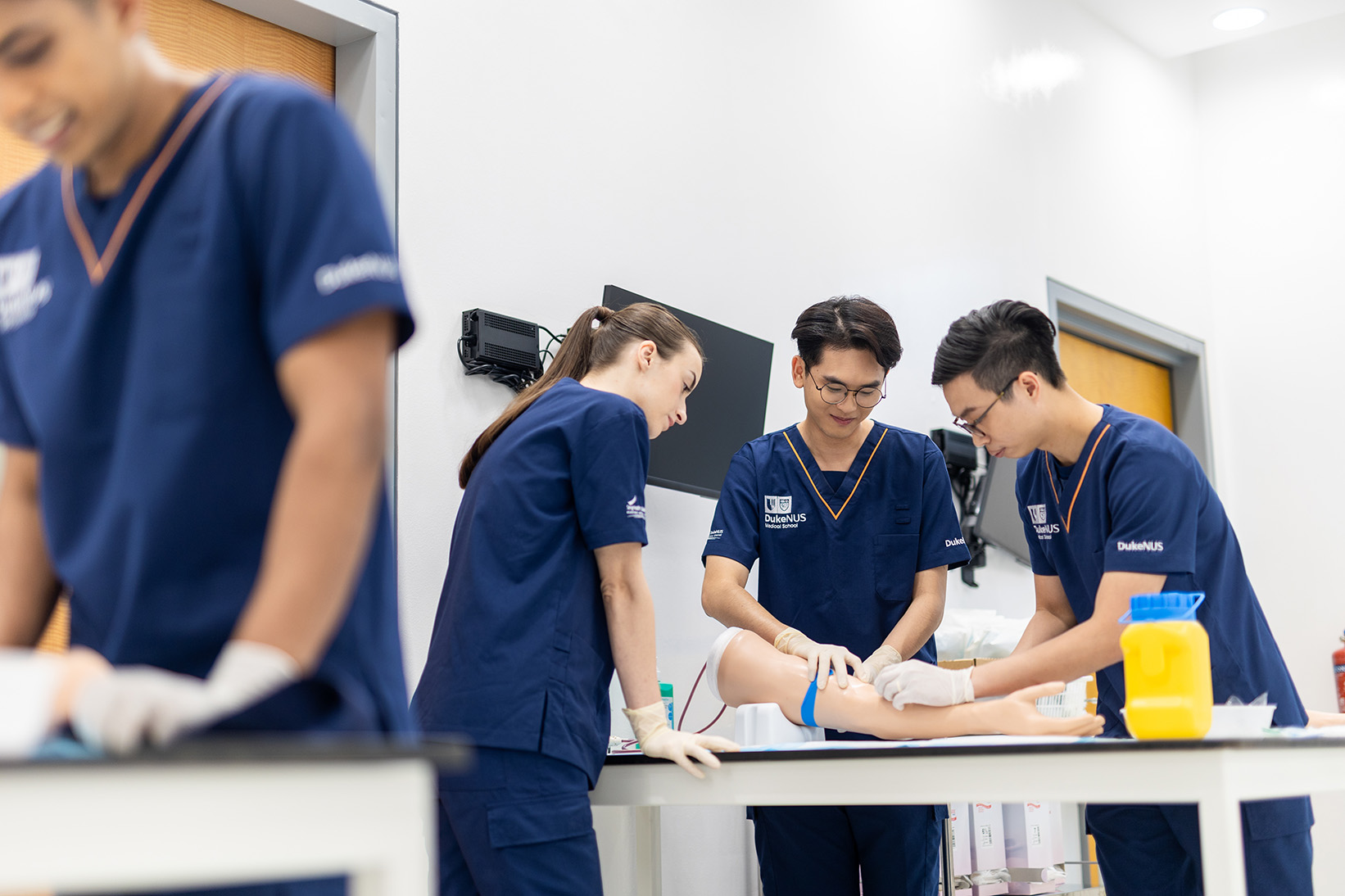
First-year medical students from Duke-NUS' newest class embark on their journey in medicine.
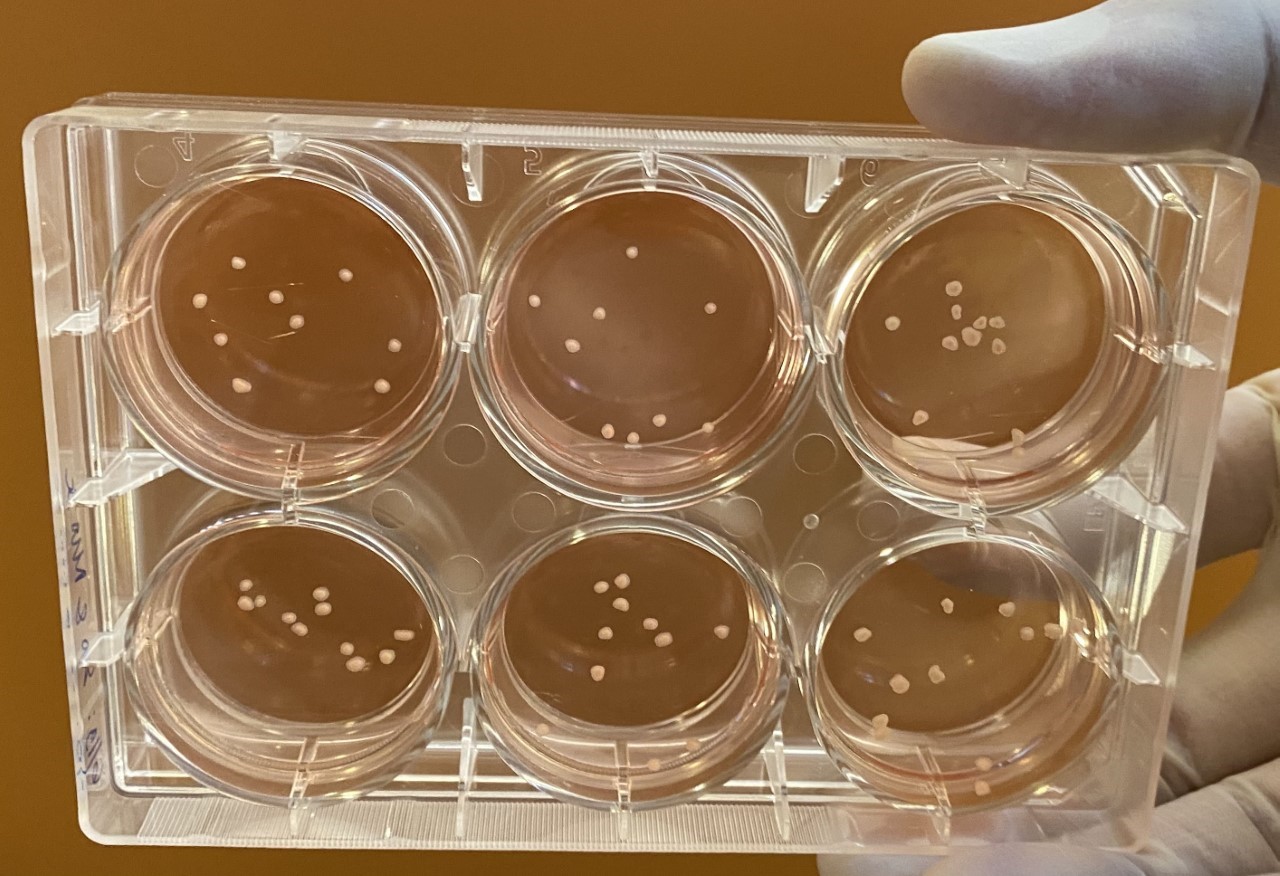
A team of scientists from Duke-NUS bring us a step closer to using stem cells to repair and regenerate irreversibly damaged tissues and organs.
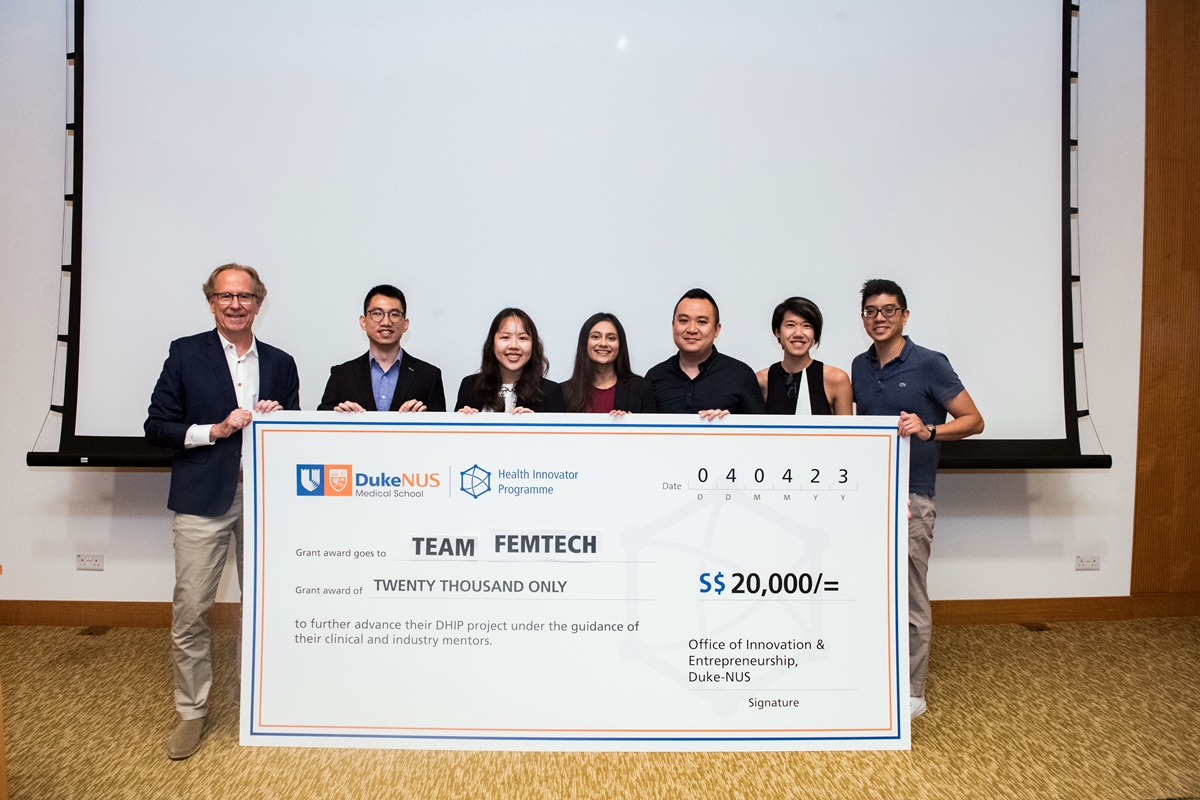
They were one of three teams taking part in the inaugural edition of the Duke-NUS Health Innovator Programme.
Duke-NUS study finds that new Nutri-Grade label for beverages helps consumers cut their sugar intake.
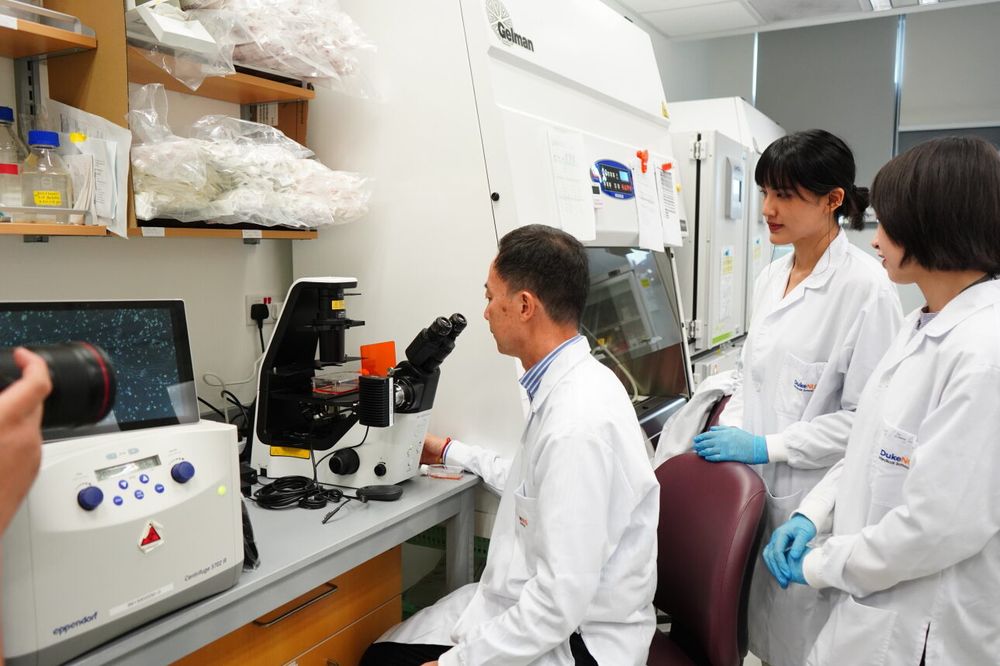
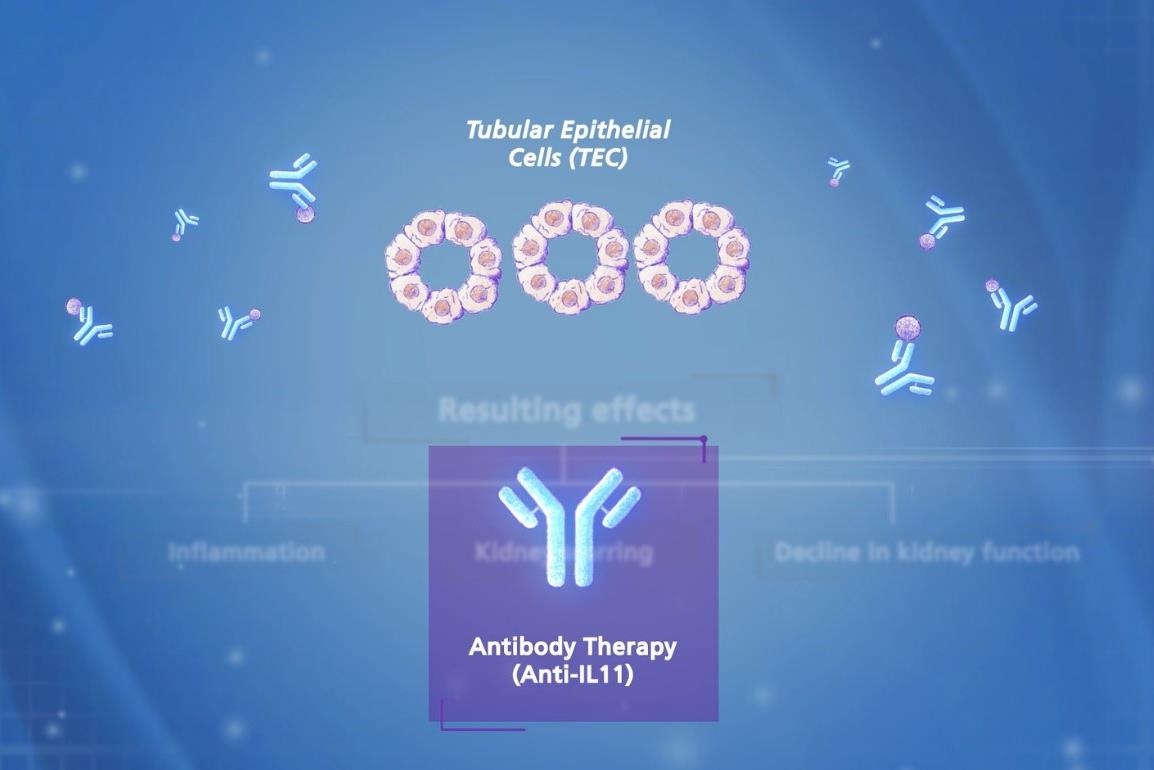
Duke-NUS scientists develop new therapy that restores damaged kidneys in preclinical models.
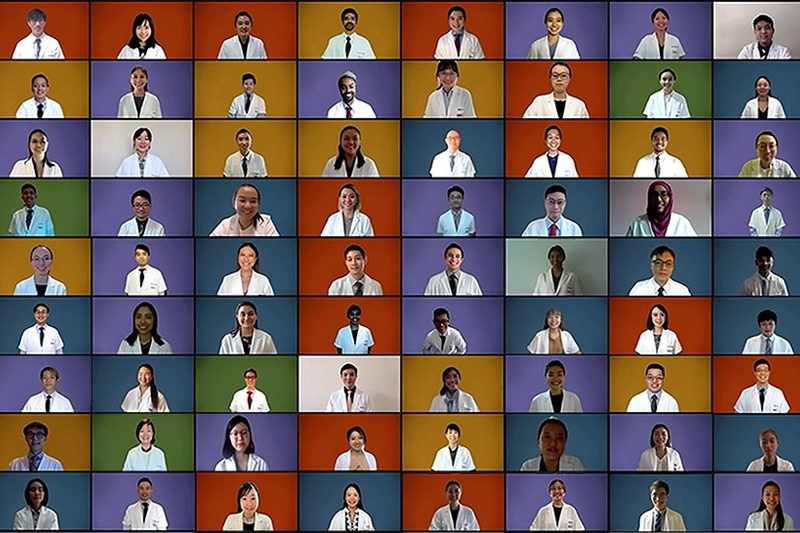
Duke-NUS welcomes first group of students admitted via conditional admissions pathways in the newest cohort of 72 MD students
To enjoy the full experience, please upgrade your browser
Try this browser

61dbc64a2b494c15b19f61fb924a3f38.jpg?sfvrsn=2b928a67_0)
--thumbnail.jpg?sfvrsn=c5d339b1_0)


.png?sfvrsn=4d899262_0)

.jpg?sfvrsn=89f93701_0)