For patients with diabetes, managing high blood sugar is just one part of their struggle. Some grapple with ailing kidneys that lead to kidney failure, adding a devastating layer to an already complex disease.
With two in three new cases of kidney failure in Singapore caused by diabetes, “it’s a huge problem with a big unmet need. This is why early detection and timely institution of treatments are most critical,” said Thomas Coffman, a nephrologist by training and professor from the Duke-NUS Cardiovascular and Metabolic Disorders Programme.
“So we put together a team focused on understanding the root causes of the disease—to address the unmet need for new therapies and for stratifying risk among patients with diabetes,” added Coffman, who is also Dean of Duke-NUS.
That urgency led to the creation of DYNAMO (the Diabetes Study in Nephropathy And other Microvascular Complications)—a national research initiative founded under Coffman’s leadership.
Through their efforts, the team hopes to understand how and why diabetes damages the kidneys, and what can be done to stop it.
“We were the very first large collaborative grant to be funded,” recalled Coffman.
Just five years after receiving its initial funding of S$25 million in 2017, DYNAMO successfully established a large group of patient cohorts, yielding an invaluable data source to accelerate critical research.
From leveraging high-throughput technologies using an “omics” approach, the group has made headway in understanding the genes, proteins and metabolites involved in disease pathology through its five key research themes.
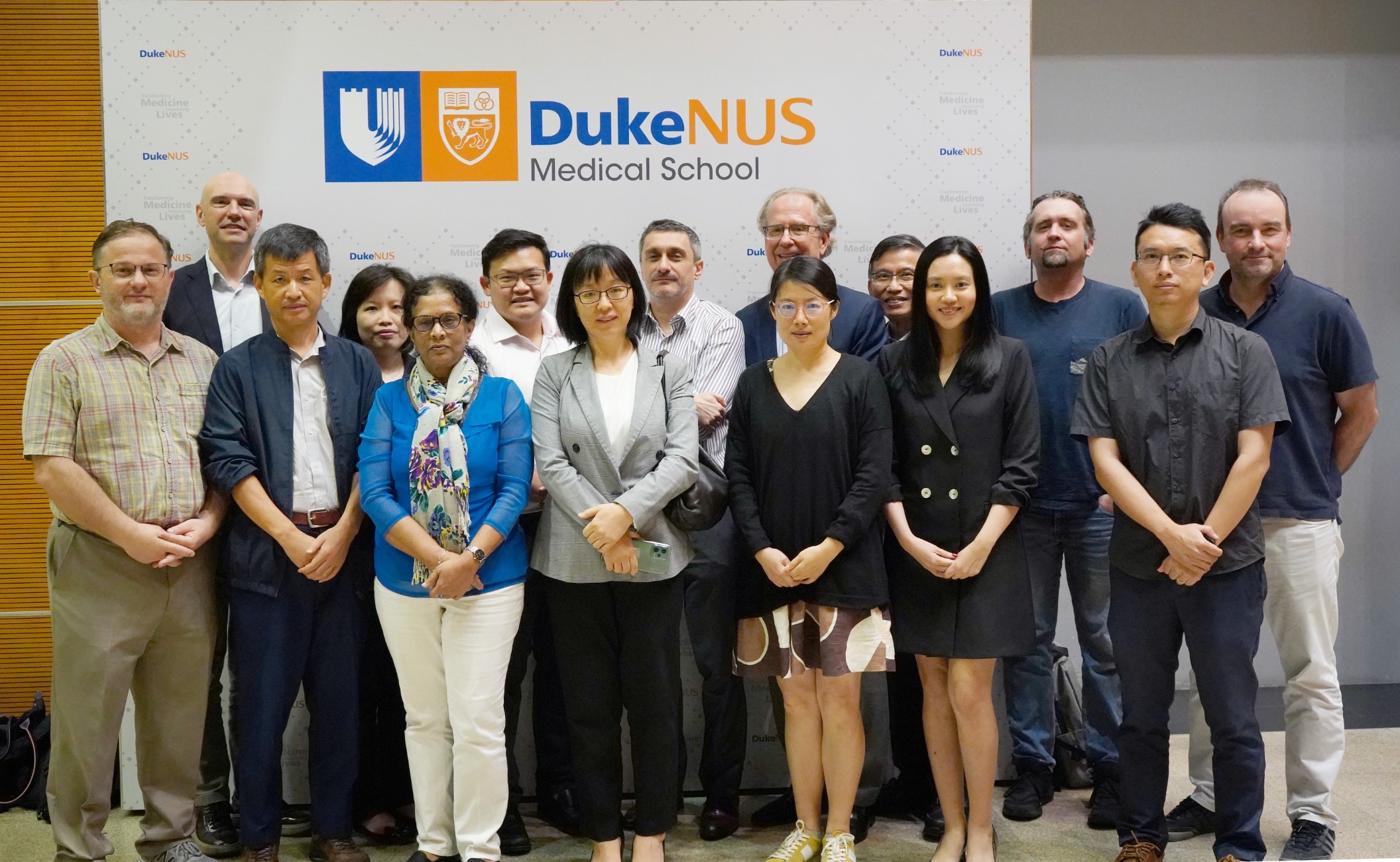 The DYNAMO team shares a photo after a meeting in 2024 // Credit: Courtesy of Thomas Coffman
One major finding? Lactate, a by-product associated with post-exercise muscle aches, emerged as a strong indicator of kidney damage in patients with diabetes. “The higher the lactate level was, the greater a patient’s risk of developing kidney failure,” explained Coffman.
“So there is clearly a subset of patients that are at higher risk. And we hope to identify who they are so we can start randomising these patients to more intensive therapies and interventions,” he added.
With the grant’s renewal in 2023 for the second time, Coffman is optimistic about their journey ahead.
“We believe we are on the cusp of discoveries that will bring new hope to patients for opportunities to live full and healthy lives,” he concluded.